
Tags
Algorithms., Artificial Intelligence., Climate change, Community cohesion, Facts, Global warming, Inequility, Internet, Technology, The Future of Mankind, Truth
(Eighteen-minute read)
This is a question not easy to answer.
Why?
Because facts and truth are closely related.
The truth takes into consideration feelings and beliefs, whereas they have no place in fact.
A fact is something that is true everywhere and for everyone.
Facts do not change according to region, caste, culture, religion, etc.
That is not to say that facts from the past have been overturned and proven to be false and that some facts from today will be proven false tomorrow- History is written by the Victor. We no longer know when a fact is going to be true for eternity.
Some of them will.
Take for example you have to be born to experience death. Currently true.
However, with the arrival of Artificial Intelligence – it appears that not just robots but humans will have both life and death capable of independence, separable from one another.
This is not quite yet a scientific fact” but we could be standing on thin ice.
So what makes a fact a fact?
Facts are hardcore and hence they cannot keep constantly changing; a fact remains a fact until proven otherwise. A fact states something that has actually occurred or happened, but we have no idea what’s outside the visible universe.
A matter of seeing is believing I suppose.
The truth is often considered to have a grander scope than facts.
However, something that is true for one person may not be true for everyone.
Is this true?
With the arrival of the Internet, the world has shrunk but unfortunately, we are all now on different platforms of truth.
For example. Facebook discovered that warning users that an article was false caused people to share that article even more.
It seems that the closer you get to the truth, the further you get from the world.
In other words, while you can get people to understand the facts, the facts don’t always matter.
Unfortunately, we don’t care about the truth as much as we typically think our highly social brains make discerning truth more difficult than we might hope because we often protect our previous beliefs rather than face inconvenient truths.
Why?
It’s because we’re all viscerally connected to truth on a fundamental, physical, and spiritual level. It’s part of who we are and like a virus, we instinctively reject dishonesty.
We learn to put on a mask (personality), to present an acceptable display, and hopefully, nobody will see the truth. That process spreads to other aspects of our lives, many times unknowingly.
To think about the future, you have to know about the present
– Prof. Hans Rosling, TEDtalks 2014
My understanding, in a nutshell, is that a hypothesis gets upgraded to a theory (closest you can get to fact) not possibly by chance occurrence. This is evidence that it is true, and will remain true until (if it ever happens) new evidence that disproves it comes to light.
Valid does not equate to true.
Sometimes theories are inducible and then prove by deduction,i.e gravity.
So why do we argue so much when facts about contentious topics are readily available?
If the data are gathered, shouldn’t we all be reaching the same conclusions?
Obviously not.
Presenting people with information about an issue in a nuanced way, rather than presenting them with pro-con arguments laid out in a simplified manner, leads people to have more complex and satisfying conversations about contentious issues.
True.
But our ears are dull of hearing, and our eyes have closed thanks to algorithms that control what we hear or see. They warp our perception of reality and reasoning by creating social media echo chambers.
We can share our worldview like never before, yet we often feel worlds apart when assessing our shared reality. Social media typically does not promote positive interactions.
Complacency lures in the comfort of our smartphones or our living room couch and sadly, we’re always the first victims of our lies because we have to believe them first before we can convince others to do so.
The result is that the difference between fact, truth, and opinion becomes blurred.
What can be changed?
Any sane person, regardless of nationality, color, or political stance, would aim for the first – truth and facts.
So why don’t we just get indisputable facts on the table?
Reaching the correct answer required participants to think carefully about the data.
We often reason with desired conclusions in mind and selectively recruit our mental faculties towards reaching those conclusions.
However if the people most capable of accurately interpreting data are at least as biased as the rest of us, how can we hope to find common ground on our most pressing and divisive issues?
Climate Change – Inequality, Covid-19, you name it. It’s hard to find the truth because there is so much falsehood out there making so much noise that the truth gets drowned out.
Everyone wants to be right, but practically speaking it’s usually more important for us to be socially accepted and internally consistent in our beliefs.
To divert from this human automation, we have to make a deliberate choice.
We have to actively decide to put on the brighter light and accept that doing so will sometimes help us in the longer run. Until we find systematic ways to improve our reasoning, we can all take steps towards improving political discourse by making efforts to challenge our personal beliefs and biases. Our values are more meaningful than their political utility, so if you stumble into a heated debate remember that the search for community, happiness, and truth transcends partisan boundaries.
Without being honest with ourselves we’ll never be honest with others.
Living in our own little world of self-created lies and avoiding the truth of our life experience takes great energy-producing even greater amounts of stress.
The first lie is the one we tell ourselves. It’s usually, “It didn’t happen” or “It didn’t happen like that.”
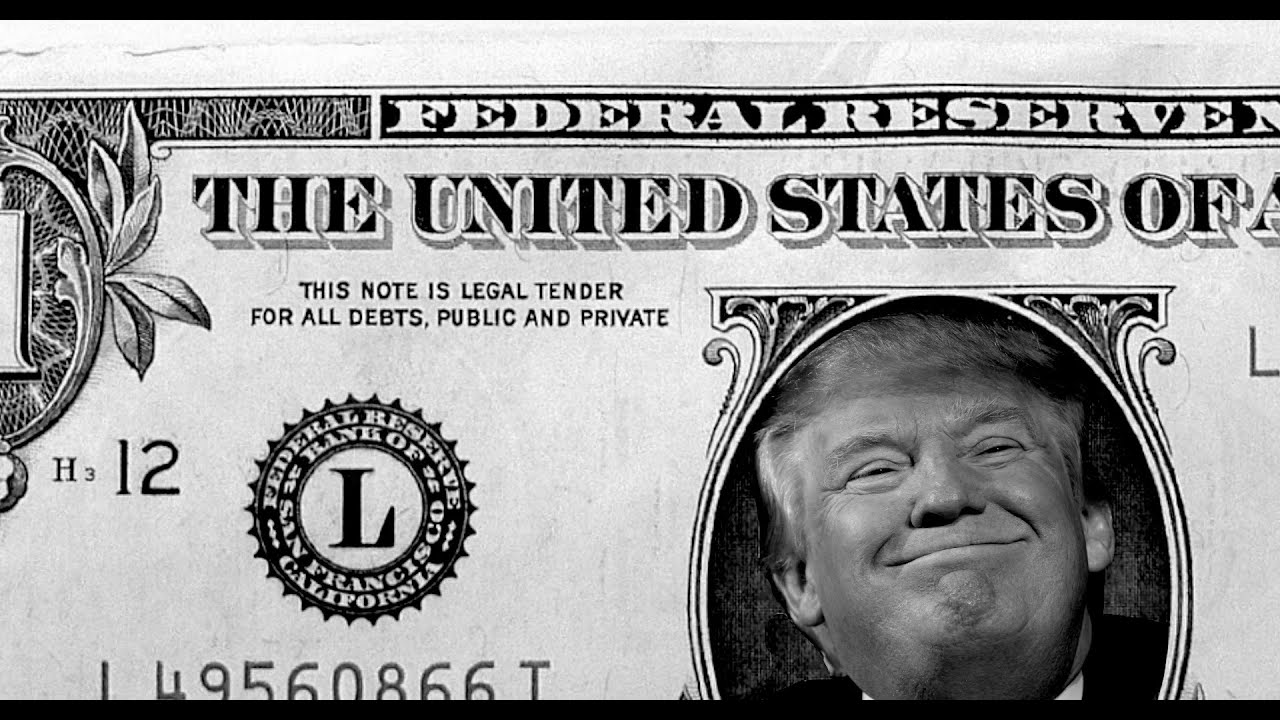
Sometimes it’s hard to find the truth because for too many people nowadays truth does not matter, only power. Donald Trump.
We have a natural instinct to search for answers and make sense of things.
These phenomena can be described by many different words
Ondinnink, Qualunquismo, Zlatwic,
 We are constantly bombarded by messages by well-meaning NGOs who desperately try to help people living in poverty. At the same time media throw in a mix of news full of disasters and war, and then they host huge charity shows on TV ever so many times a year.
“Facts are stubborn things; and whatever may be our wishes, our inclinations, or the dictates of our passion, they cannot alter the state of facts and evidence.”
John Adams, 2nd President of the United States of America
Life is making mistakes and that’s the truth.
Here is what Alex Google might tell you.
- Something that actually exists; reality; truth: Your fears have no basis in fact.
- Something is known to exist or to have happened: Space travel is now a fact.
- Truth is known by actual experience or observation; something is known to be true: Scientists gather facts about plant growth.
- Something said to be true or supposed to have happened: The facts given by the witness are highly questionable.
- Law. Often, facts. An actual or alleged event or circumstance, as distinguished from its legal effect or consequence. Compare the question of fact, the question of law.
Truth, on the other hand, is a true state of a certain matter, person, place, thing or event. Truth is considered to be more archaic than fact. It is more subjective than resolute fact. Dictionary.com defines ‘truth’ as:
- The true or actual state of a matter: He tried to find out the truth.
- Conformity with fact or reality; verity: the truth of a statement.
- A verified or indisputable fact, proposition, principle, or the like: mathematical truths.
- The state or character of being true.
- Actuality or actual existence.
- An obvious or accepted fact; truism; platitude.
- Honesty; integrity; truthfulness.
- (Often initial capital letter) ideal or fundamental reality apart from and transcending perceived experience: the basic truths of life.
- Agreement with a standard or original.
- Accuracy, as of position or adjustment.
- Archaic. Fidelity or constancy.
All human comments appreciated. All like clicks and abuse chucked in the bin


we repress the truth and our feelings about it with a lie to keep the pain at bay.
how do we communicate truthfully
It was like waking up to Hell.
We avoid these realizations






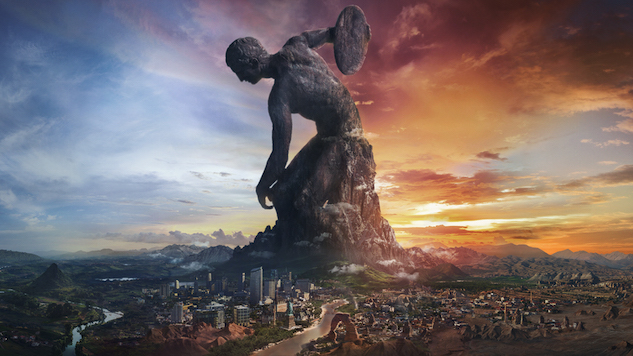 The problem is that most people have no clear understanding of what civilization is or, perhaps as important, what it isn’t.
Wikipedia. According to this seemingly omniscient cyber-seer, civilization is defined most broadly as “any complex state-society characterized by a social hierarchy, symbolic communication forms (typically, writing systems), and a perceived separation from and domination over the natural environment”.
How many of us would fight for civilization if we thought that we were fighting for the increasing complexity of the state and its social hierarchy?
How many of the agrarians amongst us would fight for a civilization that defined itself as being separate from the natural environment and as seeking to dominate it?
How many of us would fight for incessant urbanization, centralization, and the passive domestication of ourselves alongside the domestication of other organisms?
How many of us had realized that being civilized was the willingness to make ourselves cattle in the service of increasingly complex social hierarchies?
How many of us thought that civilization was marked by the sort of “specialization of labour” that had reduced human work to that of a disposable cog in an increasingly large and complex mechanism?
How many of us guessed that civilization was defined by culturally ingrained progressivism and other supremacist ideologies?
How many of us perceived that taxation was civilized and that increasing taxation was therefore and presumably a mark of increasing civilization?
If this is civilization we would be justified in hoping that civilization would go to hell and that, indeed, we would be equally justified in believing that it was all too evidently going there.
However, it is still a helpful framework with which to view how humans come together and form a society.
All civilizations have certain characteristics. These include: (1) large population centres; (2) monumental architecture and unique art styles; (3) shared communication strategies; (4) systems for administering territories; (5) a complex division of labour; and (6) the division of people into social and economic classes.
Again according to Wikipedia, “civilization” is merely an ideological construct of the eighteenth century! It is not a reality in itself but an idea by which an irreligious and irrational “rationalism” can explain and explain away, to its own prejudiced satisfaction, the history of human culture.
This is how civilization is defined on the internet.
Is civilization worth defending?
Should we aim to conform to it so that we can be considered civilized?
Maggie Thatcher once said that there is no such thing as a society. How wrong she was
What is civilization? It is the conforming of the heart of humanity – equality for all.
Culture is everything about human society, i.e. it refers to the knowledge and features of a specific group of people living in a region.
Many forget that a culture is only as great as the rival cultures around it, and all history was written by the winners. So if we are to reinvent anything it won’t be civilisation, but the culture that makes us civilised that will have to change.
To do this we will have to ask what has been tried before and what the results were?
What resources are available, what new theories are there?
WE CAN’T CHANGE ANYTHING UNTILL EDUCATION/ HEALTH IS FREE FOR ALL.
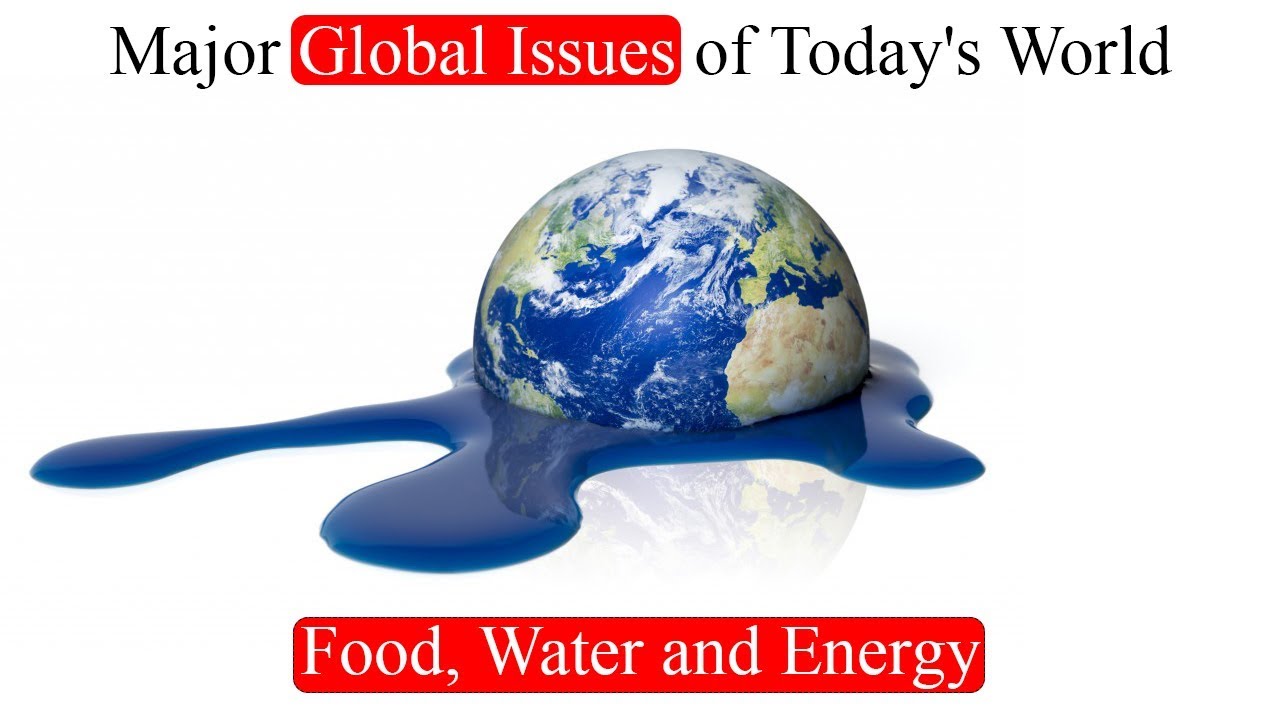
WE CAN’T CHANGE ANYTHING TILL WE SHARE THE RICHES OF THE EARTH– FRESHWATER, FRESH AIR, GREEN ENERGY. ALL FOODS ARE NON-MODIFIED AND SOLD UNDER ITS NATURAL CONDITIONS.
WE CAN’T CHANGE ANYTHING UNLESS INEQUALITY DISAPPEARS. THE RICHEST 1% NOW OWN HALF OF THE WORLD’S WEALTH. THE GAP BETWEEN THE HAVES AND HAVE – NOT’S WHERE ONLY A FRACTION OF SOCIETY REAPS THE BENEFITS OF ECONOMIC GROWTH WILL HAVE TO BE TACKLED – THE BIFURCATED ECONOMY.
(Forty years of neoliberal policy means that wealthy individuals and large companies today have so much “surplus of capital” that they don’t know what to do with it. billions parkEed in tax havens.)
WE CAN’T CHANGE ANYTHING TILL RACISM AND RELIGIOUS BIGOTRY IS ABOLISHED
WE CAN’T CHANGE ANYTHING BY CREATING LOTTO MILLIONAIRES WHILE SLUMS EXIST.
WE CAN’T CHANGE ANYTHING WHILE THE ARMS INDUSTRY EXISTS.
WE CAN’T CHANGE ANYTHING WHILE SOVERGIN FUNDS EXIST.
WE CAN’T CHANGE ANYTHING WHILE PROFIT SEEKING ALGORITHMS EXIST.
WE CAN’T CHANGE ANYTHING TILL WE REALISE THAT EARTH COMES FIRST THEN ITS PEOPLE.
WE CAN’T CHANGE ANYTHING TILL WE ACT AS ONE.
WE CAN’T CHANGE ANYTHING TILL ALL WORLD DEBT IS WRITTEN OFF. TOTAL PUBLIC DEBT WILL BE IN THE TRILLIONS. WORLDWIDE, THE TOTAL MOUNTAIN OF DEBT HAS REACHED A RECORD AMOUNT OF 322% OF THE WORLD GDP.
WE CAN’T CHANGE ANYTHING TILL WE UNDERSTAND THAT ONE’S REACH MUST GO BEYOND ONE GRASP. THE CORONAVIRUS IS THE PERFECT TIME TO LAUNCH A NEW GREEN DEAL THAT IS AMBITIOUS ENOUGHT TO SAVE THE PLANET. NEVER MIND WORLD CONFERENCES TALKING ABOUT IT DO IT. THINK BIG. ACT NOW. TOGETHER.
WE CAN’T CHANGE ANYTHING UNTILL WE DO AWAY WITH DIVIDENDS AND REPLACE THEM WITH A BASIC LIVING INCOME.
WE CAN’T CHANGE ANYTHING UNLESS WE REFORM THE UNITED NATIONS REMOVE THE VETO AND TURN IT FROM A BEGGING SHOP TO A FULLY FUNDED ORGANISATION WITH A PERTUPITUAL INCOME FROM A 0.05% WORLD AID FUND. ( See previous posts.)
WE CAN’T CHANGE ANYTHING UNLESS WE CURBE CONSUMERISM AND MOVE TO SUSTAINABILITY. WE’VE CONSUMED BEYOND OUR MEANS FOR A GENERATION AND NOW THE BILL IS COMING DUE SUDDENLY.
WE CAN’T CHANGE ANYTHING WITH GDP AS OUR CULTURAL GOAL.
WE CAN’T CHANGE ANYTHING WHILE WE TOLERATE ZOMBIE BANKS. NO FEWER THAN 147 INDIVIDUAL NATIONAL BANKS CRISES ACCURED BETWEEN 1970 AND 2011 ACCORDING TO THE IMF. IT’S TIME TO PUT THE BANKING SYSTEM IN GOVERNMENT HANDS AND TO DISMANTLE CASION CAPITALISM.
My point is the pandemic and its aftermath will be super-consequential for how we live the rest of our lives. There will be implications across the board; for business, government, culture, sports and the arts, as well as behaviour.
It’s not too soon to think about that.
Smartphones have given us an always-on connection to the world’s information but history develops our researching skills and our understanding of human behaviour.
What we’ve done in the last generation is we’ve replaced normal human interactions and social capital with technology and money.
And we’ve done that with a deleterious impact on our health and our happiness because technology and money hijack our brains in a stronger way than slow, kind of boring conversations do and yet that’s our heritage.
Our culture is systems blind.
Monetary stability, public safety and all manner of civilised goals have grown too complicated and big. The idea of the trickle-down effect of the free capitalist market is no longer true it continually funnels things towards the top. It doesn’t speak to the bottom half of society now.
They say that the best things in life are free, that adage is only true if basic needs are covered. A lot of people are living paycheck to paycheck, week to week, month to month.
A universal basic income is the way to go.
A basic income that supports the bottom half of society with enough to pay for basic needs.
There is no doubt that many businesses that are booming during the pandemic will continue to thrive.
But we continue to look at issues like climate change or renewable energy or poverty and we don’t think of how everything fits together. And right now we’re lacking a map of how to go forward.
No matter how this all unfolds, the biggest thing that’s going to contribute to better futures is social nodes of communication and social capital.
WE CAN’T GO BACK JUST TO GO OUT AND HAVE AN ORGY OF CONSUMPTION AND BACK TO NORMAL WITHOUT LEARNING ANYTHING FROM THIS.
WE CAN’T ALLOW GOVERNMENTS TO BECOME AUTHORITARIAN. NOR ALLOW SOCIAL MEDIA NETWORKS TO REMAIN UNREGULATED.
It is already clear that in future we will look back on 2020 as a turning point, the beginning of a new era.
The problem is that most people have no clear understanding of what civilization is or, perhaps as important, what it isn’t.
Wikipedia. According to this seemingly omniscient cyber-seer, civilization is defined most broadly as “any complex state-society characterized by a social hierarchy, symbolic communication forms (typically, writing systems), and a perceived separation from and domination over the natural environment”.
How many of us would fight for civilization if we thought that we were fighting for the increasing complexity of the state and its social hierarchy?
How many of the agrarians amongst us would fight for a civilization that defined itself as being separate from the natural environment and as seeking to dominate it?
How many of us would fight for incessant urbanization, centralization, and the passive domestication of ourselves alongside the domestication of other organisms?
How many of us had realized that being civilized was the willingness to make ourselves cattle in the service of increasingly complex social hierarchies?
How many of us thought that civilization was marked by the sort of “specialization of labour” that had reduced human work to that of a disposable cog in an increasingly large and complex mechanism?
How many of us guessed that civilization was defined by culturally ingrained progressivism and other supremacist ideologies?
How many of us perceived that taxation was civilized and that increasing taxation was therefore and presumably a mark of increasing civilization?
If this is civilization we would be justified in hoping that civilization would go to hell and that, indeed, we would be equally justified in believing that it was all too evidently going there.
However, it is still a helpful framework with which to view how humans come together and form a society.
All civilizations have certain characteristics. These include: (1) large population centres; (2) monumental architecture and unique art styles; (3) shared communication strategies; (4) systems for administering territories; (5) a complex division of labour; and (6) the division of people into social and economic classes.
Again according to Wikipedia, “civilization” is merely an ideological construct of the eighteenth century! It is not a reality in itself but an idea by which an irreligious and irrational “rationalism” can explain and explain away, to its own prejudiced satisfaction, the history of human culture.
This is how civilization is defined on the internet.
Is civilization worth defending?
Should we aim to conform to it so that we can be considered civilized?
Maggie Thatcher once said that there is no such thing as a society. How wrong she was
What is civilization? It is the conforming of the heart of humanity – equality for all.
Culture is everything about human society, i.e. it refers to the knowledge and features of a specific group of people living in a region.
Many forget that a culture is only as great as the rival cultures around it, and all history was written by the winners. So if we are to reinvent anything it won’t be civilisation, but the culture that makes us civilised that will have to change.
To do this we will have to ask what has been tried before and what the results were?
What resources are available, what new theories are there?
WE CAN’T CHANGE ANYTHING UNTILL EDUCATION/ HEALTH IS FREE FOR ALL.
WE CAN’T CHANGE ANYTHING TILL WE SHARE THE RICHES OF THE EARTH– FRESHWATER, FRESH AIR, GREEN ENERGY. ALL FOODS ARE NON-MODIFIED AND SOLD UNDER ITS NATURAL CONDITIONS.
WE CAN’T CHANGE ANYTHING UNLESS INEQUALITY DISAPPEARS. THE RICHEST 1% NOW OWN HALF OF THE WORLD’S WEALTH. THE GAP BETWEEN THE HAVES AND HAVE – NOT’S WHERE ONLY A FRACTION OF SOCIETY REAPS THE BENEFITS OF ECONOMIC GROWTH WILL HAVE TO BE TACKLED – THE BIFURCATED ECONOMY.
(Forty years of neoliberal policy means that wealthy individuals and large companies today have so much “surplus of capital” that they don’t know what to do with it. billions parkEed in tax havens.)
WE CAN’T CHANGE ANYTHING TILL RACISM AND RELIGIOUS BIGOTRY IS ABOLISHED
WE CAN’T CHANGE ANYTHING BY CREATING LOTTO MILLIONAIRES WHILE SLUMS EXIST.
WE CAN’T CHANGE ANYTHING WHILE THE ARMS INDUSTRY EXISTS.
WE CAN’T CHANGE ANYTHING WHILE SOVERGIN FUNDS EXIST.
WE CAN’T CHANGE ANYTHING WHILE PROFIT SEEKING ALGORITHMS EXIST.
WE CAN’T CHANGE ANYTHING TILL WE REALISE THAT EARTH COMES FIRST THEN ITS PEOPLE.
WE CAN’T CHANGE ANYTHING TILL WE ACT AS ONE.
WE CAN’T CHANGE ANYTHING TILL ALL WORLD DEBT IS WRITTEN OFF. TOTAL PUBLIC DEBT WILL BE IN THE TRILLIONS. WORLDWIDE, THE TOTAL MOUNTAIN OF DEBT HAS REACHED A RECORD AMOUNT OF 322% OF THE WORLD GDP.
WE CAN’T CHANGE ANYTHING TILL WE UNDERSTAND THAT ONE’S REACH MUST GO BEYOND ONE GRASP. THE CORONAVIRUS IS THE PERFECT TIME TO LAUNCH A NEW GREEN DEAL THAT IS AMBITIOUS ENOUGHT TO SAVE THE PLANET. NEVER MIND WORLD CONFERENCES TALKING ABOUT IT DO IT. THINK BIG. ACT NOW. TOGETHER.
WE CAN’T CHANGE ANYTHING UNTILL WE DO AWAY WITH DIVIDENDS AND REPLACE THEM WITH A BASIC LIVING INCOME.
WE CAN’T CHANGE ANYTHING UNLESS WE REFORM THE UNITED NATIONS REMOVE THE VETO AND TURN IT FROM A BEGGING SHOP TO A FULLY FUNDED ORGANISATION WITH A PERTUPITUAL INCOME FROM A 0.05% WORLD AID FUND. ( See previous posts.)
WE CAN’T CHANGE ANYTHING UNLESS WE CURBE CONSUMERISM AND MOVE TO SUSTAINABILITY. WE’VE CONSUMED BEYOND OUR MEANS FOR A GENERATION AND NOW THE BILL IS COMING DUE SUDDENLY.
WE CAN’T CHANGE ANYTHING WITH GDP AS OUR CULTURAL GOAL.
WE CAN’T CHANGE ANYTHING WHILE WE TOLERATE ZOMBIE BANKS. NO FEWER THAN 147 INDIVIDUAL NATIONAL BANKS CRISES ACCURED BETWEEN 1970 AND 2011 ACCORDING TO THE IMF. IT’S TIME TO PUT THE BANKING SYSTEM IN GOVERNMENT HANDS AND TO DISMANTLE CASION CAPITALISM.
My point is the pandemic and its aftermath will be super-consequential for how we live the rest of our lives. There will be implications across the board; for business, government, culture, sports and the arts, as well as behaviour.
It’s not too soon to think about that.
Smartphones have given us an always-on connection to the world’s information but history develops our researching skills and our understanding of human behaviour.
What we’ve done in the last generation is we’ve replaced normal human interactions and social capital with technology and money.
And we’ve done that with a deleterious impact on our health and our happiness because technology and money hijack our brains in a stronger way than slow, kind of boring conversations do and yet that’s our heritage.
Our culture is systems blind.
Monetary stability, public safety and all manner of civilised goals have grown too complicated and big. The idea of the trickle-down effect of the free capitalist market is no longer true it continually funnels things towards the top. It doesn’t speak to the bottom half of society now.
They say that the best things in life are free, that adage is only true if basic needs are covered. A lot of people are living paycheck to paycheck, week to week, month to month.
A universal basic income is the way to go.
A basic income that supports the bottom half of society with enough to pay for basic needs.
There is no doubt that many businesses that are booming during the pandemic will continue to thrive.
But we continue to look at issues like climate change or renewable energy or poverty and we don’t think of how everything fits together. And right now we’re lacking a map of how to go forward.
No matter how this all unfolds, the biggest thing that’s going to contribute to better futures is social nodes of communication and social capital.
WE CAN’T GO BACK JUST TO GO OUT AND HAVE AN ORGY OF CONSUMPTION AND BACK TO NORMAL WITHOUT LEARNING ANYTHING FROM THIS.
WE CAN’T ALLOW GOVERNMENTS TO BECOME AUTHORITARIAN. NOR ALLOW SOCIAL MEDIA NETWORKS TO REMAIN UNREGULATED.
It is already clear that in future we will look back on 2020 as a turning point, the beginning of a new era.

