• About
  • THE BEADY EYE SAY’S : THE EUROPEAN UNION SHOULD THANK ENGLAND FOR ITS IN OR OUT REFERENDUM.

bobdillon33blog

~ Free Thinker.

bobdillon33blog

Category Archives: Algorithms.

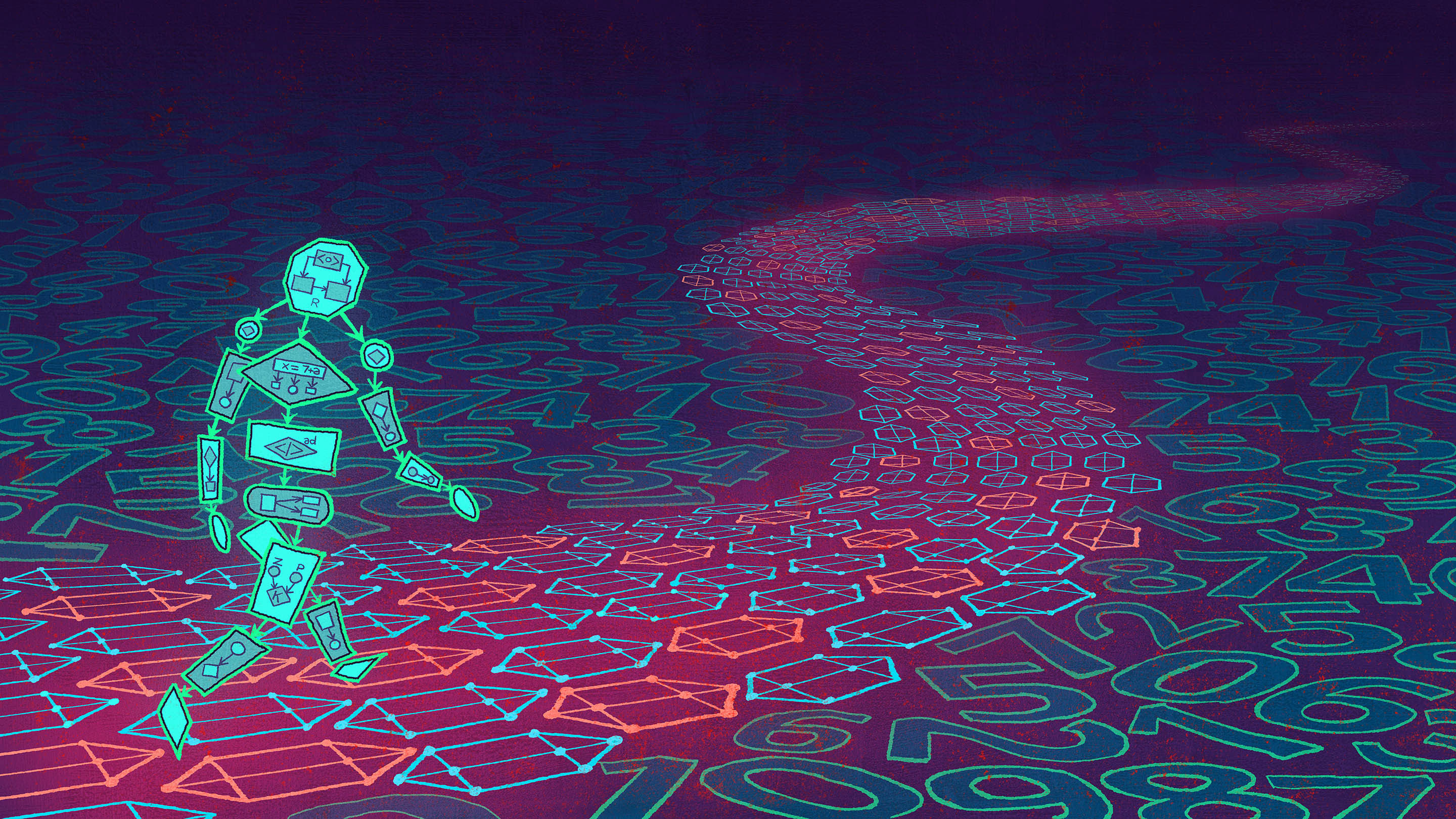
THE BEADY EYE SAY’S. WE ARE MOVING INTO A NEW PHASE OF THE ALGORITHMIC REVOLOUTION.

02 Monday Nov 2020

Posted by bobdillon33@gmail.com in Algorithms., Artificial Intelligence., Civilization., COVID-19, Digital age., Fourth Industrial Revolution., How to do it., Human values., Humanity., Life., Modern day life., Our Common Values., POST COVID-19., President of the USA., Robot citizenship., Technology v Humanity, Technology., The common good., The essence of our humanity., The Obvious., The state of the World., The world to day., Truth, Unanswered Questions., VALUES, WHAT IS TRUTH, What Needs to change in the World, Where's the Global Outrage.

≈ Comments Off on THE BEADY EYE SAY’S. WE ARE MOVING INTO A NEW PHASE OF THE ALGORITHMIC REVOLOUTION.

Tags

Algorithms trade., Algorithms., Artificial Intelligence., Big Data, Post-Covid-19, Technology, The Future of Mankind, Visions of the future.


(Six-minute read) 


With the current pandemic and economic depression, algorithmic entanglement will stratify the populations of countries with barely a question asked.

Now is the time to challenge and examine their underpinnings, by introducing a software program to examine every algorithm in order to establish whether it is a friend or foe. They must be audited yearly to log and access the contents of their programs, and to be issued with health certificates.

Are AI Algorithms Dangerous

It is not possible to go back to test or analyze why decisions are made by algorithms. 

They are learning from the environment surrounding them and once they learn we have no way of knowing to any degree – what rules and parameters they are following at which point we have no way of controlling them or knowing how they react with other algorithms.

You only have to look at the stock exchanges, where they are already trying to outwit search other.

So you can be certain that there is going to be a stock exchange crash not caused by the Economic Depression but rather algorithmic greed for profit.  

At the moment it seems that while they are out of sight they are out of mind.

But as we are going to see with any covid-19 vaccine and its distribution, algorithms will create their own rules and inevitably polarize society as a whole.

Where the decision is taken by an algorithm (as to who gets vaccinated or how safe it is when the algorithm could be hacked.) is at stake. Apportioning responsibility to any particular segment of code will be almost impossible. 

Because they have no knowledge of what they are even being judged on, they will look for supremacy over each other. 

Neither the companies using them nor the people making them take responsibility for how they can wreck lives and reinforce stereotypes.

The people making the algorithms don’t take responsibility for users of their code and the people using algorithms place responsibility on the creators.

Self – regulation is no longer viable because the larger the environment into which they are embedding themselves, the more unpredictable they will become. 

Indeed software engineers will soon be extinct.

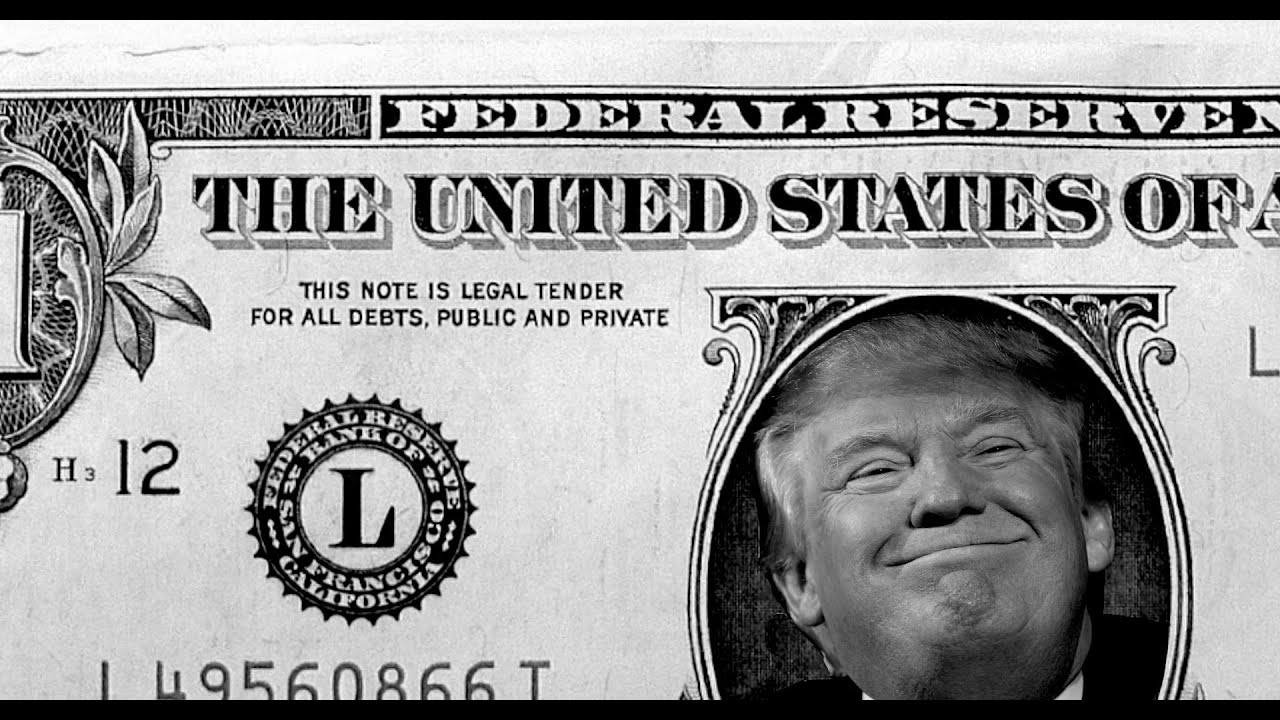
America’s 45th president likes to tweet.

He does this because he sees it as a way to bypass the ‘dishonest media’. Regardless of how you may want the world to be, the learnings from bulk text feeds are as close as we can really get to how the world actually is.


We must open our eyes to the power of algorithms and how dangerous they can be when unchecked.

These issues are not strange. The software can play you for a fool, but we’re still in the early stages however, they are as of now present in our lives making idiotic shopping recommendations, misclassifying pictures, and doing other senseless things.

History is not a predictor of the future – but knowledge can be – we can’t rely solely on mining historic data to draw conclusions; we need to incorporate expert knowledge.

We are Tick Tocking and Clicking our way to no return.  

All human comments appreciated. All like clicks and abuse chucked in the bin.

← Back

Thank you for your response. ✨

Share this:

  • Share on WhatsApp (Opens in new window) WhatsApp
  • More
  • Share on Mastodon (Opens in new window) Mastodon

THE BEADY EYE SAY’S YOU CAN’T FIGHT THE POWER YOU DON’T SEE.

01 Sunday Nov 2020

Posted by bobdillon33@gmail.com in 2020: The year we need to change., Algorithms., Artificial Intelligence., COVID-19, Democracy, Digital age., DIGITAL DICTATORSHIP., Facial Recognition., Fourth Industrial Revolution., GPS-Tracking., Honesty., Human values., Humanity., Inequality, International solidarity., Life., Modern day Slavery, Our Common Values., POST COVID-19., Reality., Technology v Humanity, Technology., The common good., The essence of our humanity., The Obvious., The pursuit of profit., The state of the World., The world to day., Tracking apps., TRACKING TECHNOLOGY., Truth, Truthfulness., Twitter, Unanswered Questions., We can leave a legacy worthwhile., WHAT IS TRUTH, What Needs to change in the World, Where's the Global Outrage., World Organisations., World Politics

≈ Comments Off on THE BEADY EYE SAY’S YOU CAN’T FIGHT THE POWER YOU DON’T SEE.

Tags

Algorithms trade., Algorithms., Artificial Intelligence., Big Data, Capitalism and Greed, Coronavirus (COVID-19), Democracy, Inequility, Technology, The Future of Mankind, Visions of the future.


(Five-minute read) 

The present Covid-19 Pandemic might be warping our sense of reality however there is another pandemic that is shaping and will shape our future reality.

We – in many ways, things are way better than they were thanks to technology.

We can work from anywhere because we have the Internet and we have Zoom and all of those platforms.

If you are able to say technology, on the whole, has done well, it probably means you’re in a fairly privileged position.

There’s still a huge digital divide.

Even – there are billions of people who don’t have access to the Internet. 


On paper, algorithms sound like the pinnacle of efficiency, but as they’ve become more ubiquitous, there’s a difference between potential and reality both must be separate for the survival of democracy and the forthcoming distribution and administration of any covid-19 vaccine worldwide.  

 The reality is that Algorithms will be used to distribute and decide who will get the Covid-19 vaccination.

When it arrives algorithms will continue to reflect the biases that it has been and is being trained into machines that are learning a representation of the world that is skewed.

Some will say that Data is neutral. It’s just numbers. It’s just data but the past dwells within our algorithms and the flaws that are in our technology are what’s the algorithm’s information it’s taking in.

I am not just talking about the U.S. presidential election in a few day’s time.

We have already seen artificial intelligence being used in voting or politics how they extend beyond the realm of computer vision.

If we’re defining success by how it’s looked like in the past and the past has been one where men like Donal trump were given an opportunity to Twitt falsehoods, spreading them with the aid of Facebook and others it’s no wonder who gets hired or fired?

Do you get that loan? Do you get insurance? Do you and I pay the same price for the same product purchased on the same platform?

Automating inequality.

Before a human looks at your resume, it gets vetted by algorithms written by software engineers who are involved in the system (without changing the system itself he the engineer is still going to reproduce algorithmic bias and algorithmic harms.)

Any sorts of algorithmic tools that are intended to be used, again, have to be verified for nondiscrimination before it’s even adopted.

We now have an AI system – right? – that can classify skin cancer as well as the top dermatologists but to change society to change what AI is learning in order to create what can be realized is going to be trusted into our lives by the inevitable economic depression.

So a Covid-19 vaccine is going to transfer real power into the world of Data and we can’t fight the power you don’t see, you don’t know about.

All human comments appreciated. All like clicks and abuse chucked in the bin.

← Back

Thank you for your response. ✨


Share this:

  • Share on WhatsApp (Opens in new window) WhatsApp
  • More
  • Share on Mastodon (Opens in new window) Mastodon

THE BEADY EYE SAY’S. WHEN A VACCINE ARRIVES ALGORITHMS MAY WELL DECIDE WHO QUALIFY AND WHO DOES NOT.

26 Monday Oct 2020

Posted by bobdillon33@gmail.com in Algorithms., Artificial Intelligence., Digital age., Fourth Industrial Revolution., Human values., Life., Modern day life., Our Common Values., POST COVID-19., Survival., Technology v Humanity, Telling the truth., The common good., The Obvious., The pursuit of profit., The state of the World., The world to day., Unanswered Questions., What Needs to change in the World, Where's the Global Outrage.

≈ Comments Off on THE BEADY EYE SAY’S. WHEN A VACCINE ARRIVES ALGORITHMS MAY WELL DECIDE WHO QUALIFY AND WHO DOES NOT.

Tags

Algorithms trade., Algorithms., Artificial Intelligence., Big Data, Coronavirus (COVID-19), The Future of Mankind, Visions of the future.


(Ten-minute read) 

Algorithms in Decision Making.


We should be warier of their power. People don’t need to understand something to do it.   The algorithm does it for them.

They’re are increasingly determining our collective future.

We are already halfway towards a world where algorithms run everything.

With the current Pandemic, it is, not who will survive, but how and at what cost, not just to economic systems but to our hard-earned freedoms. 

Times will be rough as society tries to come up with an appropriate balance between who gets the jab. 

When algorithms involve machine learning, ( like track and trace ) they ‘learn’ the patterns from ‘training data’ which may be incomplete or unrepresentative of those who may be subsequently affected by the resulting algorithm.

Modern algorithm developers are focusing on creating algorithms that learn and develop with the data that they encounter. Machine learning is the next step that they are aiming for, with the algorithms deciding the input and output completely.

One of the world’s most used algorithms right now is the search engine algorithm of Google. It determines what people find in their internet searches and is the basis of the entire SEO industry, where people try to ensure that they show up in the top spot.

However, algorithms are much more prevalent than that- the Apple FaceID algorithm decides whether you are who you say you are.

Social Media algorithms tuned to your desires and want’s ensures that everything on your feed will be of interest to you without you knowing what data these algorithms use and what they aim for.

(Google’s search algorithm is more closely guarded  than classified secret documents) 

It is very convenient for people to follow the advice of algorithms if your high-frequency trading on the stock exchange but some algorithms limit people’s worldview, which can allow large population groups to be easily controlled.

This is why many of the issues raised in this post will require close monitoring, to ensure that the oversight of machine learning-driven algorithms continues to strike an appropriate and safe balance between recognizing the benefits (for healthcare and other public services, for example, and for innovation in the private sector) and the risks (for privacy and consent, data security and any unacceptable impacts on individuals).

Algorithms are being used in an ever-growing number of areas, in ever-increasing ways, however, like humans, they can produce bias in their results, even if unintentional.

They are bringing big changes in their wake; from better medical diagnoses to driverless cars, and within central governments where there are opportunities to make public services more effective and achieve long-term cost savings.

However, the Government should produce, publish, and maintain a list of where algorithms with significant impacts are being used within the Central Government, along with projects underway or planned for public service algorithms, to aid not just private sector involvement but also transparency.

Governments should not just simply accept what the developers of algorithms offer in return for data access.

This is now an urgent requirement because partnership deals are already being struck without the benefit of comprehensive national guidance for this evolving field.  

Given the international nature of digital innovation, governments, should establish audits of algorithms, introducing certification of algorithms, and charging ethics boards with oversight of algorithmic decisions.

Governments should identify a ministerial champion to provide government-wide oversight of such algorithms, where they are used by the public sector, and to co-ordinate departments’ approaches to the development and deployment of algorithms and partnerships with the private sector.

Transparency must be a key underpinning for algorithm accountability.

Why?

Because it will make it easier for the decisions produced by algorithms to be explained. 

(The ‘right to explanation’ is a key part of achieving accountability and tackling the ethical implications around AI.)

Why?

Because they are also moving into areas where the benefits to those applying them may not be matched by the benefits to those subject to their ‘decisions’—in some aspects of the criminal justice system, for example.

Because algorithms using social media datasets like ‘big data’ analytics, need data to be shared across previously unconnected areas, to find new patterns and new insights.

It’s not COVID-19 that will fuck us all its Profit-seeking algorithms.

All human comments appreciated. All like clicks and abuse chucked in the bin.

← Back

Thank you for your response. ✨


Share this:

  • Share on WhatsApp (Opens in new window) WhatsApp
  • More
  • Share on Mastodon (Opens in new window) Mastodon

THE BEADY EYE SAYS. CASH IS OXYGEN IN A PANDEMIC AND ECONOMIC DEPRESSION

23 Friday Oct 2020

Posted by bobdillon33@gmail.com in 2020: The year we need to change., Algorithms., Artificial Intelligence., Climate Change., COVID-19, Democracy, Digital age., DIGITAL DICTATORSHIP., Disconnection., Economic Depression., Face Recognition., Fake News., Fourth Industrial Revolution., How to do it., Human values., Humanity., Inequality., Life., POST COVID-19., Purchasing Power., Reality., Sustaniability, Technology, Technology v Humanity, The common good., The Obvious., The pursuit of profit., The state of the World., The world to day., Unanswered Questions., Universal Basic Income ., VALUES, WHAT IS TRUTH, What Needs to change in the World, Where's the Global Outrage., World Economy.

≈ Comments Off on THE BEADY EYE SAYS. CASH IS OXYGEN IN A PANDEMIC AND ECONOMIC DEPRESSION

Tags

Algorithms., Artificial Intelligence., Big Data, Capitalism and Greed, Community cohesion, Coronavirus (COVID-19), Distribution of wealth, Inequility, Technology, The Future of Mankind, Visions of the future.


(Three-minute read) 

 In these extraordinary times, I am sure I speak for world citizens that we count on our leaders to bring out their statesmanship and have the courage and imagination to think and work together to fight this pandemic in equally extraordinary ways.

We may be about to face the perfect storm:

 A humanitarian disaster, global recession, severe de-globalization, the crash of healthcare systems, social breakdown, conflicting nationalism not forgetting the power of AI, and its algorithms all point to the need for value realignment.

 Many of the issues have a history of a basis. So potential risks and ways to approach them are not as abstract as we may think.

 How do we actually design a new system that can understand and implement the various form of preference and values of a population?

 The ideal system is, of course, a balance between all the needs of the numerous stakeholders the people, and the earth we all live on.

 So how do our societies reconcile their own historic aspirations while we are struggling with a world of ARTIFICAL INTELLIGENCE that is isolating us all into data?  

 Neither China nor the US, Iran, Indonesia, or any country can insulate themselves from what is to come.  COVID-19 should be the exception to — not the extension of –geopolitical rivalry. It should be an opportunity to recover trust rather than advance mistrust. 

 HOWEVER, WHAT WE WILL WITNESS IS OUR COLLECTIVE INABILITY TO ACT AS ONE. (DUE TO A MENSTRUUM OF REASONS FAR TO LONG TO ADDRESS HERE.)

 From what we see to date: 

With the erosion of democratic institutions, with the rise of the right, loss of jobs, false news, rising inequality, foodbanks, our inability to tackle Climate change, stop wars, without any robust mechanisms of oversight and accountability for Profit-seeking algorithms there seems little hope for future generations.

Artificial intelligence now embedded in our daily lives has still to show empirical evidence that validates that AI technology will achieve a broad base of social benefit we aspire to.

We need a community of researchers worldwide to really understand the range of potential harms that AI systems pose.  The use of data, machine learning, their applications to society – Face recognition -Track and Trace- all in use without any regulations. 

Therefore there is only one solution to the problems facing us all and that is the introduction of a basic living wage for all. 

Why?“

Because Cash is the best thing you can do to improve health outcomes, education outcomes, and lift people out of poverty. It’s the only solution to an economy where a small group of people is getting very, very wealthy while everyone else is struggling to make ends meet.

It would remove the problem with existing welfare programs that keep people below the poverty line a form of structural inequality.

It would also cost governments less simplifying welfare programs. 

A guaranteed income would give young couples the confidence they need to start a family.

From a macro viewpoint, it would give society a much-needed ballast during a Depression.

It would offset job losses caused by technology.

What are the downsides?

Inflation. 

Who funds it?

Many would support it if tech companies with profit-seeking algorithms paid for it.

High-frequency trading.

Hedge Funds, Sovereignty wealth funds, and currency trading over $50,000  

Cash is King. It’s an idea that is long overdue.

Both the Current pandemic and Automation are fundamentally changing the structure of the economy. Proposals for various forms of regular cash assistance are increasingly part of the political conversation.  And in fact, the cash payments of 2020 are serving as something of a real-life test of the principles behind UBI, even if there are important differences.

All human comments appreciated. All like clicks and abuse chucked in the bin.

← Back

Thank you for your response. ✨


Share this:

  • Share on WhatsApp (Opens in new window) WhatsApp
  • More
  • Share on Mastodon (Opens in new window) Mastodon

THE BEADY EYE SAY’S. GOLLY GOSH ARE WE BEGINNING TO REALIZE THAT WE NEED TO DO SOMETHING .

17 Thursday Sep 2020

Posted by bobdillon33@gmail.com in #whatif.com, 2020: The year we need to change., Algorithms., Capitalism, Climate Change., COVID-19, Disconnection., Environment, Fourth Industrial Revolution., How to do it., HUMAN INTELLIGENCE, Human values., Humanity., Imagination., Life., Natural World Disasters, Our Common Values., Paris Climate Change Conference 2015, Post - truth politics., Post-Covid-19, Purchasing Power., Reality., Survival., Sustaniability, Technology v Humanity, Telling the truth., The common good., The essence of our humanity., The Future, The Obvious., The pursuit of profit., The state of the World., The world to day., Unanswered Questions., We can leave a legacy worthwhile., WHAT IS TRUTH, What Needs to change in the World, World Aid., World Leaders, World Politics

≈ Comments Off on THE BEADY EYE SAY’S. GOLLY GOSH ARE WE BEGINNING TO REALIZE THAT WE NEED TO DO SOMETHING .

Tags

Algorithms., Capitalism, Capitalism and Greed, Capitalism vs. the Climate., Climate change, Coronavirus (COVID-19), Extinction, The Future of Mankind, Visions of the future.


(Three-minute read) 


“WE NEED TO DO”

IS PROBABLY THE MOST USED TERM IN CURRENT DAY CONVERSATIONS – POLTICALY OR OTHERWISE.

Against the background of a doubling of the world population every thirty-odd years, it’s no wonder that we find ourselves facing intractable problems and we need to do something about them.    

The Covid-19 pandemic so far has only killed a mear 800,000 while ongoing wars over 100 million in the 20th century.

We now live in a world of lip service, (used by silent data collection – profit-seeking – algorithms that could not give a shit), are run by corporations, the manipulators of the need-to-do, in order to promote consumption, whatever the cost, long term, or short term. 

The recycling of plastic alone is an example. We are told that we need to recycle plastic by companies that continue to produce it in the trillions of tons.  

I am not sure about you, but I am a little ashamed to be human right now.

Why? 

Because none of our world organizations, governments, the current crop of leaders have at their core a true understanding that we all live and rely upon the planet to be able to kill each other, love each other, and propagate more of us. 

With the COVID-19 pandemic shining a light onto societal and economic systems all across the world, exposing the flaws of a capitalist society we are still driven by greed, religious beliefs, social media, advertising. 

The pandemic-induced health crisis has rapidly ignited an economic crisis with yet unknown consequences for financial stability, and all is being played out against the backdrop of a climate crisis that cannot be addressed by “business as usual.

We are now facing problems all of which have to be resolved at the same time, otherwise, we will simply be solving problems in one place while creating new ones elsewhere.

So golly gosh the COVID-19 crisis is exacerbating all these problems and what are we doing about it other than convene world leaders in a virtual format to seek action and solutions for a world in crisis. (The united nations on the 17 Sep- 5 Oct) 

You can rest assured what we will witness as we did with the Paris climate change is countries promising virtual undertakings, with no means of enforcement, or transparency.   

Some years ago 150 countries set a list of goals to be achieved by 2020 to improve the world’s biodiversity, not one was achieved and humanity is now at a crossroads. 

Why?

Because countries will virtually promise whatever when it does not cost them arm and a leg. Virtual multilateralism is a joke in the extreme when we need value creation instead of value extraction when the pillars of our world are being shaken to the core.

The COVID -19 will cost trillions while reversing climate change will save trillions.

We all know that we need to grasp the opportunity to fix the system. If we don’t, we will stand no chance against – an increasingly uninhabitable planet – and all the smaller crises that will come with it in the years and decades ahead.

It’s used to be challenging and difficult to make predictions especially about the future now its child play  —  BLEAK 

What can we the people of the world do?

We are incapable of acting as one for obvious reasons, but every one of us needs a habitable planet. We could weaponize our buying power to accelerate actions on biodiversity for sustainable development. 

By doing so the world of profit would change. 

What can countries do? 

To realize that we are not as unique as a species and that the risk extinction has never been greater.  Stop god wobbling as there has been nothing like what we are now looking at in human history. 

Don’t trade with countries that breach environmental sustainability.

The like hood of either of the above happening is zilch.     

So the world of profit has to be taped into, in order to reboot the numerous we need to do.

(See the previous posts on a World Aid Commission of 0.05%)

We need to rise up and speak up!

So all I’m saying is that communication needs to start now not tomorrow. 

Transparency needs to start now not tomorrow.

Yes we are all different and what we do with our differences needs to make a difference.

All human comments appreciated. All like clicks and abuse chucked in the bin. 

← Back

Thank you for your response. ✨


Share this:

  • Share on WhatsApp (Opens in new window) WhatsApp
  • More
  • Share on Mastodon (Opens in new window) Mastodon

THE BEADY EYE ASKS. ARE WE LOOSING OUR WORKING MEMORY OR IS GOOGLE DESTROYING THEM.

23 Thursday Apr 2020

Posted by bobdillon33@gmail.com in #whatif.com, 2020: The year we need to change., Algorithms., Artificial Intelligence., Big Data., Climate Change., CORONA VIRUS., COVID-19, Digital age., DIGITAL DICTATORSHIP., Disasters., Disconnection., Environment, Google, Google it., Google Knowledge., HUMAN INTELLIGENCE, Human values., Humanity., International solidarity., Life., Lock Down., Modern day life., Our Common Values., Pandemic, Post-Covid-19, Reality., Survival., Sustaniability, Technology, Technology v Humanity, The common good., The essence of our humanity., The Future, The Internet., The Obvious., The state of the World., The world to day., Unanswered Questions., VALUES, WHAT IS TRUTH, What Needs to change in the World, Where's the Global Outrage.

≈ Comments Off on THE BEADY EYE ASKS. ARE WE LOOSING OUR WORKING MEMORY OR IS GOOGLE DESTROYING THEM.

Tags

Algorithms., Artificial Intelligence., Big Data, Capitalism vs. the Climate., CORONA VIRUS., Coronavirus (COVID-19), Extinction, Global warming, SMART PHONE WORLD, Technology, The Future of Mankind, Visions of the future.


(Twenty-minute read) 

Post COVID-19 this will become a question that we will all have to ask yourselves. 

Coronavirus came after a series of wake-up calls.

Perhaps the COVID-19 outbreak is the wake-up call the world needs to get people accustomed to the fact that because of climate change, we all now need to change our lifestyles to protect our lives. 

The COVID-19 outbreak should be a wake-up call that the economic and social costs of climate change will likely be so catastrophic – potentially many times worse than what we’re currently witnessing – that as a nation and the community of nations, we can’t afford not to take massive measures to combat and mitigate the dangers.

Confronting climate change will take a global effort far beyond any that’s been on the table so far, and far beyond the voluntary commitments in the Paris Climate accord.

We don’t yet know how long the COVID-19 outbreak will last, how many people will get sick or die, or the ultimate cost to global wealth and to people’s jobs and homes.

However, it seems obvious to say that, if we can transform the economy for a virus, we can also do so to prevent climate change.

Acres of column inches have already been written about how the Coronavirus is going to change our economies, politics, and societies forever. 

We can choose to prioritize something – in this case, human life – above the maximization of profit and even our individual freedom.

Unchecked, climate change will wreak far greater damage on our ability to live safe, profitable, happy, and free lives than COVID-19.

Despite the brief dip in emissions due to COVID-19, there is a risk that the pandemic – which is likely to dominate politics for months or even years to come – will overshadow environmental concerns. 

Mortimer Adler Said ” To regard anyone except yourself as responsible for your judgment is to be a slave, not a free man. It is this fact that the liberal arts acquire their name.”

For most of human history, the only other reliable sources of information were other people.

We are becoming symbiotic with our computer tools, growing into interconnected systems that remember less by knowing information than by knowing where the information can be found. If we know that a fact is only a Google away, then we’re not going to waste precious synaptic space on it. Better to let a server remember.

Or is it?

Feel like you’re losing grip of your memory. Google it.

Every time we recall a memory we also remake it, subtly tweaking the neuronal details. (This is why the more we remember something, the less accurate the memory becomes.) Although we like to think of our memories as being immutable impressions, somehow separate from the act of remembering them, they aren’t.

A memory is only as real as the last time you remembered it.

The brain has no interest immaculate recall – it’s only interested in the past to the extent it helps us make sense of the future.

By having memories that constantly change, we ensure that the memories stored inside our mental file cabinets are most relevant.

Although our memories always feel true – as a literal recording of the past – they’re mostly not, since they’re always being edited and bent by what we think now. And now. And now. 

And this is where the internet comes in. One of the virtues of transactive memory is that it acts like a fact-check, helping ensure we don’t all descend into selfish solipsism. ( Solipsism: The theory that the self is the only thing that can be known and verified)

By sharing and comparing our memories, we can ensure that we still have some facts in common, that we all haven’t disappeared down the private rabbit hole of our own reconsolidations.

I don’t think it’s a sign that technology is rotting our cortex – I think it shows that we’re wise enough to outsource a skill we’re not very good at.

Because while the web enables all sorts of other biases – it lets us filter news, for instance, to confirm what we already believe – the use of the web as a vessel of transactive memory is mostly virtuous. We save hard drive space for what matters, while at the same time improving the accuracy of recall.

But if a fact stored externally were the same as a memory of that fact stored in our mind, then the loss of internal memory wouldn’t much matter.

External storage and biological memory are not the same things.

When we form, or “consolidate,” a personal memory, we also form associations between that memory and other memories that are unique to ourselves and also indispensable to the development of deep, conceptual knowledge.

The associations, moreover, continue to change with time, as we learn more and experience more.

The essence of personal memory is not the discrete facts or experiences we store in our mind but “the cohesion” which ties all those facts and experiences together.

What is the self but the unique pattern of that cohesion?

Our over-reliance on google and the smartphone search engines is destroying our memories – ‘digital amnesia’. 

Google in its very nature is making us stupid, making us more likely to recall where the facts are rather than the facts themselves.

We hold the answers to just about all of life’s questions in our palms today. But that means our brains are feeling free to take some R & R.

If you have no working memory, you can have no longterm memory and you understand very little.

The growing reliance on the world wide web for fact-checking is rotting our memories.

We off-load memories to the cloud just as readily as we would to a family member, friend, or lover.

Almost all information today is readily available through a quick internet search. It may be that the internet is taking the place not just of other people as external sources of memory but also of our own cognitive faculties becoming an extension of our own intelligence, rather than a separate tool.

At this point, you might be asking why is any of this important.

Indeed, As the specter of creeping authoritarianism – as emergency disaster measures become normalized, or even permanent – it should be at the forefront of our minds. 

Because the consequences of COVID-19 will reorder society in a dramatic way, and this combined with climate change we are witnessing a tipping point as to how the world is going to work.

Unfortunately, we constructed a world that could not be more suited to a Pandemic – density everywhere- inward rural migration and now Data harvesting.

We can expect greater efforts to digitally capture and record our behavior in urban areas – and fiercer debates over the power such surveillance hands to corporations and states.

One consequence of coronavirus could be an entrenchment of exclusionary political narratives, calling for new borders to be placed around urban communities – overseen by leaders who have the legal and technological capacity, and the political will, to build them.

In other words an intensification of digital infrastructure in our cities to track the spread of COVID-19 using “big data” analysis to anticipate where transmission clusters will emerge next.

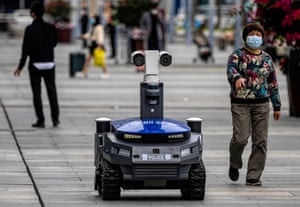
A police security robot drives on the high-speed railway station platform in Shenzhen, Guangdong province. The device, which patrols public places, warns people when they are not wearing masks, checks their body temperature and identity.

This much is certain:

Just as this disease has shattered lives, disrupted markets and exposed the competence (or lack thereof) of governments, it will lead to permanent shifts in political and economic power in ways that will become apparent only later.

It will be a time of contradictions.

Internationally, many issues that appeared pressing prior to the pandemic will likely recede in prominence once the world begins its recovery. All non-coronavirus issues will be pushed aside.

Not only because of a shared experience but also because of the mutual assistance that will be required at the same time, democracies must prevent the emergence of a big brother-style intrusion into the personal sphere by the security apparatus.

Such a thing can only occur in the absence of massive civilian oversight.

Many countries will set up committees of inquiry to find out why they and their healthcare systems were caught unprepared, humanity is destined to return to its old self after the adjustment period ends. And that, on balance, is a good thing.

Coronavirus will not end globalization, but it will change it by disrupting our lives and causing painful tragedy —it may introduce a new acceptance of unpredictability into our thinking.

This is certainly not the last time that we’re going to have these kinds of disease eruptions if we deny, delude, and delay on climate change.

We know what to do to halt climate change, we just have to do it.

Our current sense of risk — such as when it is safe to cross a road — is insufficient to deal with threats that are so dire they must be minimized; we need a complete rethink.

If we don’t we will have unregulated algorithms run the world.

How much of life can now be conducted digitally?

If we can accept canceled flights, closed schools, postponed sporting fixtures now, perhaps we can accept restraints in the future.

If we can rely on international co-operation now, perhaps we can summon the same spirit again.

At some point, a nudge will be required. If the shock of coronavirus disruption isn’t enough for us to recalibrate, what will be? 

Our Memories!

We have to recognize there will be other pandemics and be better prepared. We must also recognize that climate change is a deeper and bigger threat that doesn’t go away, and is just as urgent.

All human comments appreciated. All like clicks and abuse chucked in the bin.


← Back

Thank you for your response. ✨


get inscribed into our biological memory banks. 


Share this:

  • Share on WhatsApp (Opens in new window) WhatsApp
  • More
  • Share on Mastodon (Opens in new window) Mastodon

THE BEADY EYE ASK’S: SHOULD WE ALLOW GPS TRACKING FOR THE COMMON GOOD TO DEFEAT COVID-19

19 Sunday Apr 2020

Posted by bobdillon33@gmail.com in #whatif.com, 2020: The year we need to change., Algorithms., Big Data., CORONA VIRUS., COVID-19, Digital age., DIGITAL DICTATORSHIP., Emergency powers., Freedom, Google, GPS-Tracking., Human values., Lock Down., Modern day life., Our Common Values., Political Trust, Reality., Robot citizenship., Technology v Humanity, The common good., The essence of our humanity., The Obvious., The state of the World., The world to day., Unanswered Questions., VALUES, WHAT IS TRUTH, What Needs to change in the World, Where's the Global Outrage.

≈ Comments Off on THE BEADY EYE ASK’S: SHOULD WE ALLOW GPS TRACKING FOR THE COMMON GOOD TO DEFEAT COVID-19

Tags

Big Data, Coronavirus (COVID-19), posdt, Post-Covid-19, SMART PHONE WORLD, The Future of Mankind, Visions of the future.


(Ten-minute read)

Emergency powers have a tendency to kindle emergencies.

Granted most of these powers adopted by countries to stop the spread of the coronavirus are needed.

At the moment we are not concerned and willing to give up liberties that were won by the sacrifice of millions of lives before us for the common good.

We also know that in order that contact tracing could be more effective if it wasn’t voluntary. But it is vital, that our governments, that these powers (granted to governments during times of crisis) do not continue once COVID-19 is over.

The COVID-19 pandemic is barely four months old and there is no doubt that when it is over that “big data” will present new challenges as well as opportunities.

The threat of a disease as a “pretense” to justify authoritarian impulses to amass power and that technology can be used as a tool in that process could create a Big Data surveillance machine.

One present-day example comes from South Korea, which introduced an electronic system that sends out an automatic alert to people living nearby a known COVID-19 case.

Or Chinese authorities that are using software to sort citizens into color-coded categories — red, yellow, green — corresponding to their level of risk for having the virus.

Or for instance what if Google introduces a smartphone App that monitors social distancing. It will know your whereabouts down to 2 meters -7/7.

Or Governments introduce GPS to track the movements of citizens without their consent to prohibit gatherings of other 250 people. But what if the governor used that measure to stop a rival’s political rally?

But more importantly, if consumers don’t trust a smartphone-based tracking system, they can simply leave their phones at home. That would render the technology useless.

Even if voluntary it might provide people with a false sense of security if they don’t get an alert. Those who have opted out of tracking might be walking around with COVID-19 and infecting others without ever being picked up with the system.

Just think about it.

The potential in using new technology for public health surveillance to get ahead of an infectious disease outbreak must be tempting, so-called contact tracing,

There is a real danger that we could end up creating a society of untouchables. (The former name for any member of a wide range of low-caste Hindu groups and any person outside the caste system.)

Moreover, unless public health officials are involved, there’s potential to “game” the system by falsely claiming a person has the virus when they haven’t tested positive for it. That could lead to other harms, like a business intentionally undermining a rival or a political party suppressing participation.

A terror attack and a pandemic are vastly different, but both present opportunities for governments and the private sector to take on new powers in the name of keeping citizens safe.

The September 11th terror attacks led to the Patriot Act, in the USA, which gave the federal government vast new investigative powers that it claimed were necessary for the fight against terrorism.

During the HIV crises in many cases, public health officials would notify an HIV patient’s past sexual partners that they may have been in contact with somebody who had the disease, but never identified or named them.

One of the big issues at the time was the idea of doctors reporting the names of HIV patients to the states. Some states refused to accept name-based reporting so for years because they feared that it would discourage people from getting tested.

Public health and privacy rights do not need to be in opposition.

Good public health must respect civil liberties, and anything that advances human rights and civil liberties would advance public health.

So we are going to be faced with the rights of Individual freedoms against collectivism. 

The behaviors that define individualism may also enhance the likelihood of pathogen transmission, and thus may be functionally maladaptive under conditions in which pathogens are highly prevalent.

By contrast, the behaviors that define collectivism may function in the service of anti-pathogen defense, and thus be especially adaptive under conditions of high pathogen prevalence.

The question is which one will we choose or will we have a choice when all this is over.

An open-air prison-like the Gaza Strip or Equality among all. 

All human comments appreciated. All like clicks and abuse chucked in the bin.

← Back

Thank you for your response. ✨


.


.


Share this:

  • Share on WhatsApp (Opens in new window) WhatsApp
  • More
  • Share on Mastodon (Opens in new window) Mastodon

THE BEADY EYE SAY’S: ARE WE NOW REAPING THE REWARDS OF PROFIT FOR-PROFIT SAKE?

30 Monday Mar 2020

Posted by bobdillon33@gmail.com in 2020: The year we need to change., Algorithms., Artificial Intelligence., CORONA VIRUS., COVID-19, Evolution, Fourth Industrial Revolution., Human values., Humanity., Inequality, Life., Modern day life., Our Common Values., Reality., Survival., Sustaniability, Technology, Technology v Humanity, The common good., The essence of our humanity., The Obvious., The pursuit of profit., The state of the World., The world to day., Truth, Unanswered Questions., Universal Basic Income ., VALUES, Wealth., WHAT IS TRUTH, What Needs to change in the World, Where's the Global Outrage., World Economy.

≈ Comments Off on THE BEADY EYE SAY’S: ARE WE NOW REAPING THE REWARDS OF PROFIT FOR-PROFIT SAKE?

Tags

Algorithms., Artificial Intelligence., Capitalism and Greed, Capitalism vs. the Climate., Corona Pandemic., Coronavirus (COVID-19), Earth, Environment, Greed, Inequility, Technology, Visions of the future.


(Five-minute read) 

First, let me state the obvious.

The Covid-19 doesn’t just call our bluff it is questing the way we allow our society to be run. 

It is bringing into sharp relief what some of us have always known to be true. Our current way of living must end.

Capitalism and the culture of hierarchy that props it up is now extremely screwed up. 

The story of Capitalism up to now has been selling your labour so you don’t end up on the streets.

We should not behave to exist this way.

We come into this world kicking and screaming for our own needs while our birth’s, and our eventual departure’s, have all been turned into a product by capitalism to generate profit. We leave silent.

We live in a world where nearly everything has some kind of cost and the increased workforce automation is suggesting that things will keep getting worse.

What is considered valuable by man or the people of this world are of little or no value when one is confronted by a virus (which unfortunately some of us are witnessing this very minute) that does not discriminate any grounds.  

Money, wealth, riches, gold, property, power and so on are either transitory, fading or can be destroyed in the blink of an eye and are of no value in the long term.

In the past few years, the money markets have fallen in a heap with the global financial crisis and the value of money becoming very shaky. The same can be said of shares, property and other investments. And this is nothing new for the economic cycle goes through boom and bust every seven to ten years making fortunes at one time and destroying them at other times.

However, men believe that wealth gives you the power to be able to rise above the problems and issues of the world.

How wrong he is.

The coronavirus is not the only virus we have to confront we also have to confront capitalism and the world that sustains it.

Climate Change was not enough to make the world pause.

The challenge man faces is that we think only of the here and now.

We now have a moment to consider what a rapid response to the climate emergency would look like – how we build a society that completely transforms our social order towards something that is in equilibrium with the biosphere and gives to each according to their needs.  

But will more sustainable capitalism emerge from Covid-19 highly unlikely as the protection of private interest over public interest remains the same?  

What the coronavirus has and is showing is that our cheapskate governments can provide far more in social programmes than they have. 

While none of us can predict the future let’s hope that this time the penny drops. 

The risks of Covid – 19 are now but the risks of climate change with the clock ticking needs us to wake up before the alarm goes off. 

It’s not science, not protest, that will save the planet. Science alerted us to global warming but understand the nature of the world is crucial to dealing with it. 

Everything has a function and our function is to fit into our world and not divorce ourselves from nature.

With the age of technology and its Algorithms working themselves into everything relentless, enabling profits to disappear far from the trickle-down effect the coronavirus is revealing heroes and villains across the world.

The markets might be paralysed with numerous industries entering a state of suspended animation the environment is getting a recovery period.

Covid -19  is showing us that on the horizon, capitalism in its current form threatens value. It is built on the premise of instant gratification.

Many businesses today are aware of this failing in mankind and play to it to great effect encouraging us to insure ourselves against the cost of living and dying but we are now trading for time and for eternity.

The corona-virus is certainly a much greater reward than the fleeting pleasures of this life.

The new WFH world that emerges from this will be intriguing – Universal Basic Income.

All human comments appreciated

← Back

Thank you for your response. ✨

. All like clicks and abuse chucked in the bin. 


Share this:

  • Share on WhatsApp (Opens in new window) WhatsApp
  • More
  • Share on Mastodon (Opens in new window) Mastodon

THE BEADY EYE ASK’S. WILL THE WORLD EVER BE ABLE TO ACT AS ONE?

26 Wednesday Feb 2020

Posted by bobdillon33@gmail.com in 2020: The year we need to change., Algorithms., Artificial Intelligence., Climate Change., Dehumanization., Digital age., DIGITAL DICTATORSHIP., Disconnection., Environment, Fourth Industrial Revolution., Google, Human values., Humanity., Life., Our Common Values., Reality., Robot citizenship., Sustaniability, Technology, Technology v Humanity, The cloud., The common good., The essence of our humanity., The Future, The Obvious., The state of the World., The world to day., Unanswered Questions., WHAT IS TRUTH, What Needs to change in the World, Where's the Global Outrage.

≈ Comments Off on THE BEADY EYE ASK’S. WILL THE WORLD EVER BE ABLE TO ACT AS ONE?

Tags

Algorithms., Artificial Intelligence., Big Data, Capitalism vs. the Climate., Climate change, Extinction, Technology, The Future of Mankind, Visions of the future.


Twenty-five minute read.

If humanity stopped fighting and competing against one another; if we bound together in a common cause, we could accomplish spectacular things.

Not true.

We would basically become mindless drones of no culture because it’d all just be one culture with no distinct forms.

If this were to become a reality, Ummm how would govern it.

China’s premier Wen Jiabao put forward the following equation in a speech: “Internet + Internet of Things = Wisdom of the Earth.”

How wrong he was, however, by 2025 there will be 1 trillion networked devices worldwide in the consumer and industrial sectors combined.

He should have said, “Internet + Internet of Things = Becoming what we do not think? Because people are truly not that intelligent.

In our houses cars and factories, we’re surrounded by tiny, intelligent devices that capture data about how we live and what we do. Now they are beginning to talk to one another. Soon we’ll be able to choreograph them to respond to our needs, solve our problems, even save our lives.

Intelligent things all around us, coordinating their activities.

Coffee pots that talk to alarm clocks. Thermostats that talk to motion sensors. Factory machines that talk to the power grid and to boxes of raw material.

We might be seeing the dawn of an era when the most mundane items in our lives can talk wirelessly among themselves, performing tasks on command, giving us data we’ve never had before? This intelligence once locked in our devices will flow into the universe of physical objects.

We are already struggling to name this emerging phenomenon.

Some have called it the Internet of Things or the Internet of Everything or the Industrial Internet—despite the fact that most of these devices aren’t actually on the Internet directly but instead communicate through simple wireless protocols.

Others are calling it the Sensor Revolution.

I call it the Programmable Profitable in a World of profit-seeking algorithms.

It’s the fact that once we get enough of these objects onto our networks, they’re no longer one-off novelties or data sources but instead become a coherent system, a vast ensemble that can be choreographed, a body that can dance in the era of the cloud and apps and the walled garden— of Google, Apple, etc, which connotes a peer-to-peer system in which each node will not be equally empowered.

These connected objects will act more like a swarm of drones, a distributed legion of bots, far-flung and sometimes even hidden from view but nevertheless coordinated as if they were a single giant machine, relying on one another, coordinating their actions to carry out simple tasks without any human intervention.

So the world will act as one. Or will it?

Once we get there, that system will transform the world of everyday objects into a design­able environment, a playground for coders and engineers.

It will change the whole way we think about the division between the virtual and the physical putting intelligence from the cloud into everything we touch.

Call it “smart exploration.” 

The rises of the smartphone have supplied us with a natural way to communicate with those smart objects. So far they include watches, heart rate monitors, and even some new Nike shoes. Smartphone making payments to merchants wirelessly instead of swiping a card, and some billboards are using the protocol to beam content to passersby who ask for it. As a way to sell more products and services—particularly Big Data–style analysis—to their large corporate customers.

The yoking together of two or more smart objects—is the trickiest, because it represents the vertiginous shift from analysis, the mere harvesting of helpful data, to real automation.

In my view no matter how thoroughly we might use data to fine-tune our lives and businesses, it’s scary to take any decisions out of human hands.

It can be hard to imagine the automation you might someday want or even need, in your daily life. There are all sorts of adjustments you make over the course of any given day that is reducible to simple if-then relationships.

Facebook, which has famously described the underlying data it owns as a social graph—the knowledge of who is connected to whom and how.

Would you want to automate all of these relationships?

A world where every one of us would have a sensor on us. “Presence” tags—low-energy radio IDs that sit on our keychains or belt loops and announce our location, verify our identity.

This is the principle behind Square Wallet and a number of other nascent payment systems, including ones from PayPal and Google. (When you walk into a participating store today, Square can let the cashier know you’re there; you pay simply by giving your name.)

A tracking tool that monitors not just your pet’s movements, but your movements.

GPS reliably know our location within 100 feet, give or take, and that knowledge has and is transforming our lives immeasurably: turn-by-turn driving directions, local restaurant recommendations, location-based dating apps, and so on.

With presence technology, Google has already the potential to know our location absolutely, down to a foot or even a few inches. That means knowing not merely which bar your friend is at but which couch she’s sitting on if you walk through the door.

It means receiving a coupon for a grocery item on the endcap at the moment you walk by.

Think about a liquor cabinet that auto-populated your shopping list based on the levels in the bottles—but also locked automatically if your stock portfolio dropped more than 3 per cent.

Think about a home medical monitoring system that didn’t just feedback data from diabetic patients but adjusted the treatment regimen as the data demanded.

Think about how much more intelligent your sprinklers could be if they responded to the weather report as well as to historical patterns of soil moisture and rainfall.

It does not stop just there think about applications on top of these connected objects.

This means not just tying together the behaviour of two or more objects—like the sprinkler and the moisture sensor—but creating complex interrelationships that also tie in outside data sources and analytics. 

Plugged into that information, your system wouldn’t just know how much water is in the soil it could predict how much there will be, based on whether it’s going to rain or the sun will be baking hot that day.

It means walking through an art museum and having your phone interpret the paintings as you pause in front of them.

This simple link—between a tag on us and a tag in the world—stands to become the culmination of the location revolution, delivering on all the promises it hasn’t quite fulfilled yet. A simple link—between a tag on us and a tag in the world—will complete the location revolution.

The treasure that it digs up could be considerable.

This is obviously true for retailers:

It’s a future where the intelligence once locked in our devices will now flow into the universe of physical objects. Users and developers can share their simple if-then apps and, in the case of more complex relationships, make money off of apps, just like in the mobile marketplaces.

Processing it all in the cloud in a language unheard of.

On Google Maps, you can now navigate inside certain airports and stores, with Wi-Fi triangulation helping out your GPS. 

And according to a mobile couponing firm called Koupon Media, some 80 per cent of customers who buy gas at one major convenience-store chain never walk inside the store, so presence-based coupons could make a huge impact on the bottom line.

But it’s also true for our everyday lives. Have you ever lost an object in your house and dreamed that you could just type a search for it, as you would for a wayward document on your hard drive? With location stickers, that seemingly impossible desire has become a reality:

A startup called StickNFind Technologies already sells these quarter-sized devices for $25 apiece.

Think about a thermostat app pulling in readings from any other device on that platform—motion sensors that might say which room you’re in, presence tags that identify individual family members (with different temperature preferences)—as well as outside data sources like weather or variable power price.

An even more natural category for apps is security. It locks itself up, shuts down the lights and thermostat, and activates an alarm system complete with siren, flashing lights, and auto-notifications, and notifications with an on-call platoon of off-duty cops all coordinated through the Smart­Things.

This, finally, is the Programmable World, the point at which the full power of developers, entrepreneurs, and venture capitalists are brought to bear on the realm of physical objects—improving it, customizing it, and groping toward new business plans for it that we haven’t dreamed of yet. Indeed, it will marshal all the forces that made the Internet so transformational and put them to work on virtually everything around us.

However, there are obviously some pitfalls lurking in this future of connected objects.

As a sanity check.

Our fears about malicious hackers preying on our email and bank accounts via the cloud might pale in comparison to how we’ll feel about those same miscreants pwning our garage doors and bathroom light fixtures.

The mysterious Stuxnet and Flame exploits have raised the issue of industrial security in the era of connected devices.

Vanity Fair recently detailed nightmare scenarios in which hackers could hit connected objects, from our high tech cars (university researchers have figured out how to exploit an OnStar-type system to cause havoc in a vehicle) to our utility “smart meters” (which collect patterns of energy use that can reveal a great deal about our activities at home) to even our pacemakers.

The idea of animating the inanimate, of compelling the physical world to do our bidding, has been a staple of science fiction for half a century or more.

No, the main existential threat to the Programmable World is the considerably more mundane issue of power. Every sensor still needs a power source, which in most cases right now means a battery; low-energy protocols allow those batteries to last a long time, even a few years, but eventually, they’ll need to be replaced.

Just as with social networking, the privacy concerns of a sensor-­connected world will be fast outweighed by the strange pleasures of residing in a hyperconnected world.

A bigger concern, perhaps, is simple privacy. Just because we’ve finally warmed up to oversharing in the virtual world doesn’t mean we’ll be comfortable doing the same in the physical world, as all our interactions with objects capture more and more data about where we are and what we’re doing. iStock_000049614472Medium1

What’s coming is ubiquitous connectivity that will accelerate how people collaborate, share, learn, gather, do business, and exchange knowledge.

There will one day be universal access to all human knowledge by everyone on the planet.
So based on our collective knowledge, will we be able to act as one.
How will you use global connectivity to enhance our lives?
We automatically sort people into “like us” or “not like us.”
We are currently in a new era, combating mass species extinction and climate change with a Virus Pandemic all bring humans and the natural world together as one. 
Humanity as a whole needs to be united if we are to preserve what’s left on Earth.
One in three of the population of earth died in the Black Death, they had no idea why it was happening.
As a result, they had no responsibility, because they didn’t know.
Our problem is that we do know, and therefore, we have absolute responsibility.
We have only a very small window and if we don’t use that window in the next 10 years, not the next thirty or fifty years connectivity will be the least of our worries.
In November this year, the world will descend on Scotland, and states from across the globe will be given a choice between cooperating or continuing as they have until now.Toxic-leaders

All human comments appreciated. All like clicks and abuse chucken in the bin.

← Back

Thank you for your response. ✨

Share this:

  • Share on WhatsApp (Opens in new window) WhatsApp
  • More
  • Share on Mastodon (Opens in new window) Mastodon

THE BEADY EYE SAY’S; HERE ARE THE BIG QUESTIONS THAT ARE YET TO COME WHEN IT COMES TO TECHNOLOGY.

19 Wednesday Feb 2020

Posted by bobdillon33@gmail.com in #whatif.com, 2020: The year we need to change., Algorithms., Artificial Intelligence., Big Data., Digital age., DIGITAL DICTATORSHIP., Digital Friendship., Fourth Industrial Revolution., Google, Google it., Google Knowledge., Human values., Humanity., Life., Modern day life., Our Common Values., Reality., Sustaniability, Technology, Technology v Humanity, The common good., The Future, The Obvious., The state of the World., The world to day., Unanswered Questions., War, WHAT IS TRUTH, What Needs to change in the World, Where's the Global Outrage., World Leaders

≈ Comments Off on THE BEADY EYE SAY’S; HERE ARE THE BIG QUESTIONS THAT ARE YET TO COME WHEN IT COMES TO TECHNOLOGY.

Tags

Algorithms trade., Algorithms., Artificial Intelligence., Big Data, Capitalism and Greed, Distribution of wealth, Inequility, Technology, The Future of Mankind, Visions of the future.


Thirty-minute read.

Who owns what?  What’s our purpose in life?  What are the values that we believe in? How do we think and make decisions?  What do we mean by work?  Can our work ever have true meaning unless it is to serve others?

What will help us all think deeply about the questions we need to ask and answer?

Climate change or technology.

However, for many of us, the answers to these questions differ in our working lives, compared with our personal lives, with family, friends and neighbours.

Were a ruling elite like Google to impose a command-and-control, fear-driven culture in which power is abused and the outcomes are social and economic misery for the vast majority?

Our reaction, if we are to go by what is now observable, will be So what? Now what?

MAKING sure companies compete fairly is a tricky business. The firms being regulated know far more about their business than those doing the regulating;

“Artificial intelligence is the future, not only for Russia but for all of humankind.” Says Putin. “Whatever country comes to dominate this technology will be the “ruler of the world.”

His rhetoric is entirely appropriate. Automation and digitalization have already had a radical effect on international systems and structures.

Technology can easily be referred to as the scientific knowledge to the practical problems we are experiencing in the world today.

On the other hand, its core strategy is to gobble up market share with profit-seeking algorithms.

Our environments are all so full of technology to the point that most of the time we take it for granted.

So are we all becoming personified idiots?

Technology has a great impact on all the fundamental aspects of all our cultures including laws and how they are enforced, language, art, health care, mobility, education and religion.

The obvious problem with all of this is that countries will not own or be in control of the technologies.negative effects of technology
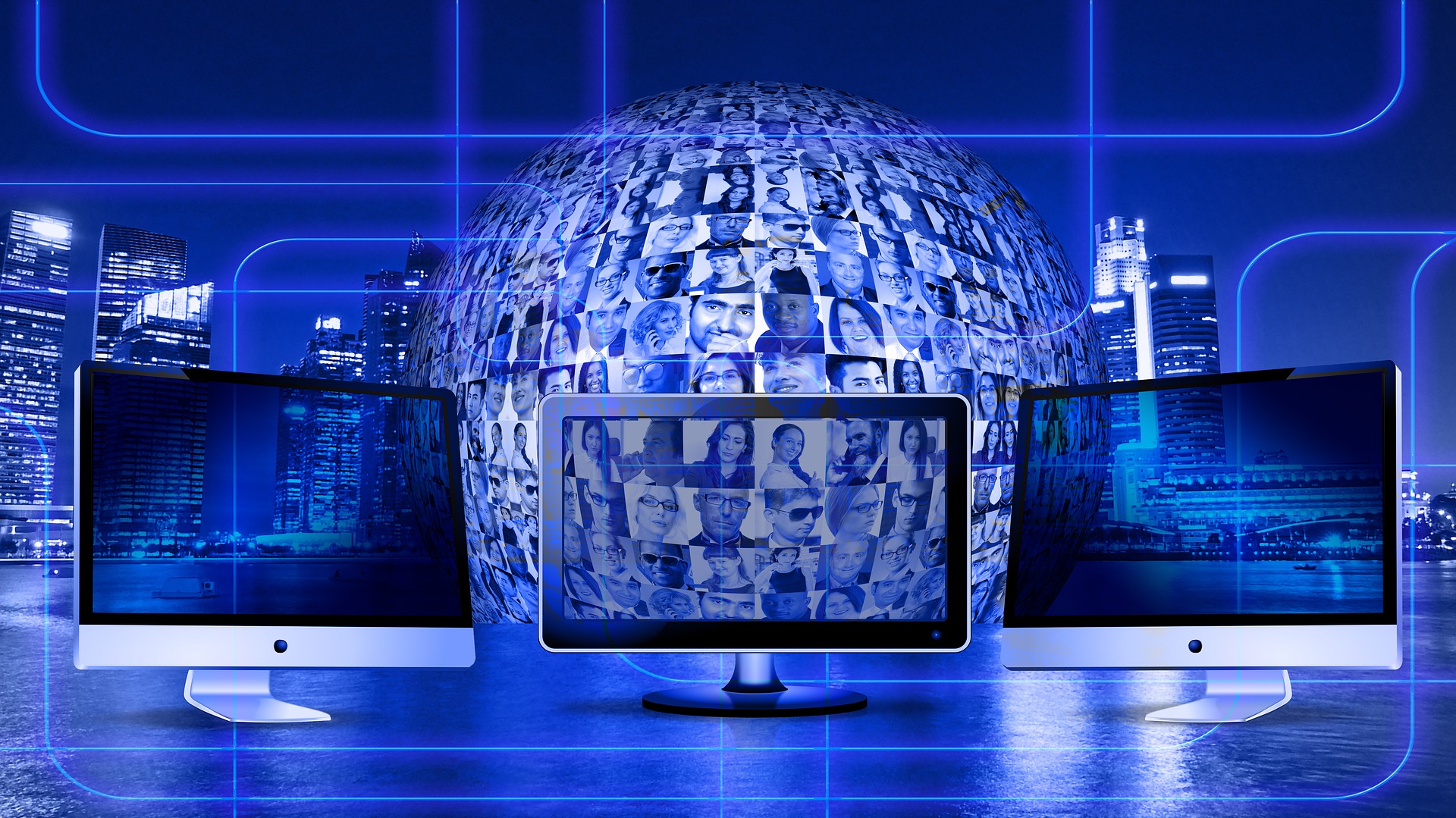
While we all sit back and accept the benefits technology it also brings manipulation on a  worldwide scale with our future in the hands of only a handful of corporations and the vast amount of people that are okay with that.

It’s hard to argue against innovation. It’s hard to argue against greater choice, more convenience and lower prices.

One way or the other it is also hard to underestimate the fundamentally different rules that Google /Amazon/ Facebook/ Apple/ Baidu play by.

Hiding behind forked rhetoric that the data they collect does no harm as it is anonymous.

You do not need to know who you are. It is enough to know what you consume, your habits, your tastes, and where you are, through the IP address, the GPS of the mobile, or your Google account. Your name, or your phone number, is not important to sell you things.

Blurring the borders of privacy. Replacing real-life communication.

And on top of it, violent games and videos killing empathy and bring destruction into an individual’s life. Plagiarism and cheating are increase while analysis and critical thinking decline, ending up in social isolation.

(We now have a new perverse sexual harassment of Cyber flashing which is not against any law. Why? Because our laws cannot keep up with the speed of change)

Commercial technology like Smartphones, I pads, Home Alexa/Echo and there like is about creating another consumer touchpoint for their robust ecosystem of e-commerce, services, and media taking advantage of less sophisticated consumers and trick them into consuming items for short-term satisfaction and long-term pain.

Originally created to serve faithfully to humanity, digital devices are revealing their harmful impact on our lives.

We should all be careful what we wish for.

There’s an argument made by big corporations for each country to charge corporations the lowest possible tax rate, to loosen environmental regulations down to zero, and to eliminate employee protections. All so that a country’s commodity producers can be the cheapest ones.

The voice market war has only just begun.

The contenders:

Amazon-Echo v Google-Alexa.amazon-echo-google-home
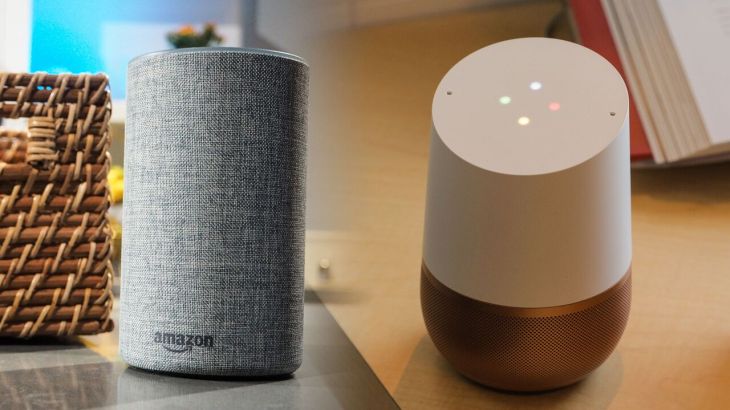
Once they figure out how to improve their recommendations and push more people to make regular household purchases via voice it will lead to an explosion in voice-based shopping.

Google already has one of the most valuable brands in the world.

Google maps have virtually no meaningful rival.  Gmail…Google basically controls our handheld existence.

Google controls your life, literally, even if it costs you to believe it.

Google trackers have been found on 75% of the top million websites.

When you search on Google, they keep your search history forever.

Google is a company that offers almost all its products for free because the money is earned by selling the data it collects with those products, to advertisers and companies.

Last year Google made over $161 billion in total revenues.

As it is the premier search engine in the U.S., Europe, and many developing countries Google has the tools to control much of the world.

That’s just Google then you have Amazon.

With around 225 million customers around the world, Amazon wants to deliver everything you want to your doorstep, including Foods anywhere in the world. ( 300 items a second) These days half of all product searches start on Amazon.

Our lust for cheap, discounted goods delivered to our doors promptly and efficiently has a price.

Amazon has done a lot of good for consumers by expanding choice, making shopping far more convenient and by delivering extraordinary product value.

Yet, we can’t–and shouldn’t–ignore the profound effect that Amazon is having on just about every corner of the retail world they set their sights on.

Amazon is selling its facial recognition technology, known as Rekognition, to law enforcement agencies.

First and foremost, Amazon isn’t required by its investors to make any real money.

For us the Great unwashed there’s always the opportunity to cut a corner, sacrifice lifestyle quality and suck it up as they race to grab a little more market share.

With their algorithms, they tell you what restaurants you have to eat in, choose your music, label your photos associating them with each family member or friend that appears in them, pay for your purchases, suggest the movies you should see, and the apps that may interest you.

When in fact the searches we do, what websites we visit, what products we look at, where are we, your medical history, your political beliefs, your associations with others your employment prospects, everything from the womb to the grave is collected and analyzed

Before I hear you calling me a hypocrite I also have used Amazon.

If this scenario prevails, would this be really the way information is supposed to be organized?

In short, does the fact that an algorithm is able to provide more relevant information than a human justify this scenario?

These big brands platforms are more powerful than governments. They’re wealthier. If they were countries, they would be pretty large economies. They’re multinational and the global financial situation allows them to ship money all over the world.

Can we do anything to make a difference?

We need to be supporting the development of an efficient circular economy.

Why?

Because sustainability is an unstoppable force.

Let’s not race to the bottom.

Country’s population size will become less important for national power as small countries that develop a significant edge in AI technology will move far above their weight.

Ultimately, however, winning and losing will not be determined by which country gains the most growth through AI. It will be determined by how the entire global community chooses to leverage AI — as a tool of war or as a tool of progress.

They can eliminate rules protecting clean water, air or consumer safety, but they will always find a way to be cheaper or more brutal than you.

We all assume that Google, Facebook, Amazon, Apple, are spying our activity and up to now advertiser is not interested in your name when they are it will be too late and the winner will be Inequality.

So what does all this mean and what are we all going to do about it when we’ve stopped talking about it?

Once you start to connect all the invisible dots together the impact on society will, in the end, be down to the people that use the technology they have to be responsible for it and if they use it irresponsibly they have to be held accountable.

A Footnote:

For me, there is little point in Jeff Bezos setting up an Earth fund when Amazon is one of the biggest promoters of pollution. Pretending to be a do-gooder.

The brown box doesn’t begin to address the larger issue: Each year in the United States alone thrown paper in the trash that represents approximately 640 million trees or roughly 915,000 acres of forest land.

Amazon ships an average of 608 million packages each year, which equates to (an estimated) 1,600,000 packages a day.

Then when we talk about energy consumption, we’re talking about the sources of energy that generate our power: oil, coal, natural gas and alternatives like solar, wind, hydropower and biofuels.

How much electricity they use and the bill is, god only knows, so its no wonder that they have contracts with oil and gas companies.

Now consider that people conduct over 1,6 billion searches per day, and you get a massive energy footprint of roughly 12.5 million watts.

Is e-commerce reducing or increasing our carbon footprint?

Google’s worldwide operations, collectively worldwide use about 2.26 million megawatt-hours per year to power its global data centre operations, which is equivalent to the power necessary to sustain 200,000 homes.

In 2018 Google generated 39.12 billion dollars earnings out of which it paid 243 Million a day in electricity.

This is only an educated guess.

The link between global warming and energy demands is obvious. Surely both of these players should be investing in Green energy.

There’s a deafening silence from pundits and elites and columnists and politicians on our joint self-destruction.

They are simply going on pretending it isn’t happening.

We don’t, as societies or cultures, value learning or knowledge or magnanimity or great and noble things, anymore.

The average person has become a tiny microcosm of the aspirations and norms of elites. We’re the only people on earth who thwart our own social progress, over and over again — and cheer about it.

We are caught in a death spiral now. A vicious cycle from which there is probably no escape. The average person is too poor to fund the very things — the only things — which can offer him a better life:

The result is that a whole society grows poorer and poorer.

Unable to invest in themselves or one another, people’s only real way out is to fight each other for self-preservation, by taking away their neighbour’s rights, privileges, and opportunities — instead of being able to give any new ones to anyone.

Though it’s too late to escape for them, let us hope our governments regulate their algorithms for profit sake.

All human comments appreciated. All like clicks chucked in the bin.

← Back

Thank you for your response. ✨


.


Share this:

  • Share on WhatsApp (Opens in new window) WhatsApp
  • More
  • Share on Mastodon (Opens in new window) Mastodon
← Older posts
Newer posts →

All comments and contributions much appreciated

  • THE BEADY EYE ASKS. WHAT QUALITIES WILL THE NEW LEADER OF THE UNITED NATIONS NEED? And WHY IS IT THAT OUR GOVERNMENTS SHOW LITTLE OR NO INTEREST? November 16, 2026
  • THE BRADY ASKS WHAT SHOULD THE EUROPEAN UNION DEMAND FROM ENGLAND IF THE UK ASKED TO REJOIN IT? November 12, 2026
  • THE BEADY EYE SAYS TAXATION AS A MEANS TO RAISING MONEY IS OUT OF DATE. November 9, 2026
  • THE BEADY EYE SAYS. THE REAL REASON WE GLORIFY WAR. November 8, 2026
  • THE BEADY EYE SAYS. IF WE ARE TO SURVIVE. WE NEED TO RADICALLY CHANGE THE WAY WE DO EVERYTHING. October 31, 2026

Archives

  • November 2026
  • October 2026
  • September 2026
  • August 2026
  • July 2026
  • June 2026
  • May 2026
  • April 2026
  • March 2026
  • February 2026
  • January 2026
  • December 2025
  • November 2025
  • October 2025
  • September 2025
  • August 2025
  • July 2025
  • June 2025
  • May 2025
  • February 2025
  • January 2025
  • December 2024
  • November 2024
  • October 2024
  • September 2024
  • August 2024
  • July 2024
  • June 2024
  • May 2024
  • April 2024
  • March 2024
  • February 2024
  • January 2024
  • December 2023
  • October 2023
  • September 2023
  • August 2023
  • July 2023
  • June 2023
  • May 2023
  • April 2023
  • March 2023
  • February 2023
  • January 2023
  • December 2022
  • November 2022
  • October 2022
  • September 2022
  • August 2022
  • July 2022
  • June 2022
  • May 2022
  • April 2022
  • March 2022
  • February 2022
  • January 2022
  • December 2021
  • November 2021
  • October 2021
  • September 2021
  • August 2021
  • July 2021
  • June 2021
  • May 2021
  • April 2021
  • March 2021
  • February 2021
  • January 2021
  • December 2020
  • November 2020
  • October 2020
  • September 2020
  • August 2020
  • July 2020
  • June 2020
  • May 2020
  • April 2020
  • March 2020
  • February 2020
  • January 2020
  • December 2019
  • November 2019
  • October 2019
  • September 2019
  • August 2019
  • July 2019
  • June 2019
  • May 2019
  • April 2019
  • March 2019
  • February 2019
  • January 2019
  • December 2018
  • November 2018
  • October 2018
  • September 2018
  • August 2018
  • July 2018
  • June 2018
  • May 2018
  • April 2018
  • March 2018
  • February 2018
  • January 2018
  • December 2017
  • November 2017
  • October 2017
  • September 2017
  • August 2017
  • July 2017
  • June 2017
  • May 2017
  • April 2017
  • March 2017
  • February 2017
  • January 2017
  • December 2016
  • November 2016
  • October 2016
  • September 2016
  • August 2016
  • July 2016
  • June 2016
  • May 2016
  • April 2016
  • March 2016
  • February 2016
  • January 2016
  • December 2015
  • November 2015
  • October 2015
  • September 2015
  • August 2015
  • July 2015
  • June 2015
  • May 2015
  • April 2015
  • March 2015
  • February 2015
  • January 2015
  • December 2014
  • November 2014
  • October 2014
  • September 2014
  • August 2014
  • July 2014
  • June 2014
  • May 2014
  • April 2014
  • March 2014
  • February 2014
  • January 2014
  • December 2013
  • November 2013
  • October 2013

Talk to me.

benmadigan's avatarbenmadigan on THE BEADY EYE LOOKS AT THE EXP…
Jason Lawrence's avatarJason Lawrence on THE BEADY EYE ASK’S: WIT…
benmadigan's avatarbenmadigan on THE BEADY EYE ASK’S: WHA…
bobdillon33@gmail.com's avatarbobdillon33@gmail.co… on THE BEADY EYE SAYS: WELCOME TO…
Ernie's avatarOG on THE BEADY EYE SAYS: WELCOME TO…

7/7

Moulin de Labarde 46300
Gourdon Lot France
0565416842
Before 6pm.

My Blog; THE BEADY EYE.

My Blog; THE BEADY EYE.
bobdillon33@gmail.com

bobdillon33@gmail.com

Free Thinker.

View Full Profile →

Follow bobdillon33blog on WordPress.com

Blog Stats

  • 110,509 hits

Blogs I Follow

  • unnecessary news from earth
  • The Invictus Soul
  • WestDeltaGirl's Blog
  • The PPJ Gazette
Follow bobdillon33blog on WordPress.com

The Beady Eye.

The Beady Eye.
Follow bobdillon33blog on WordPress.com

Blog at WordPress.com.

unnecessary news from earth

WITH MIGO

The Invictus Soul

The only thing worse than being 'blind' is having a Sight but no Vision

WestDeltaGirl's Blog

Sharing vegetarian and vegan recipes and food ideas

The PPJ Gazette

PPJ Gazette copyright ©

Privacy & Cookies: This site uses cookies. By continuing to use this website, you agree to their use.
To find out more, including how to control cookies, see here: Cookie Policy
  • Subscribe Subscribed
    bobdillon33blog
    Join 218 other subscribers

    Have a WordPress.com account? Log in now.

  • bobdillon33blog
    View site in Reader
    Manage subscriptionsSign upLog in
    Report this content
    Collapse this bar