
( Four minute read)
All wars are unpredictable.
Israel has the military capability to wipe out Hamas, but doing so could perhaps be even riskier than not, given that an even more extreme organization could come into power — or that Israel could be put into the position of governing the territory itself.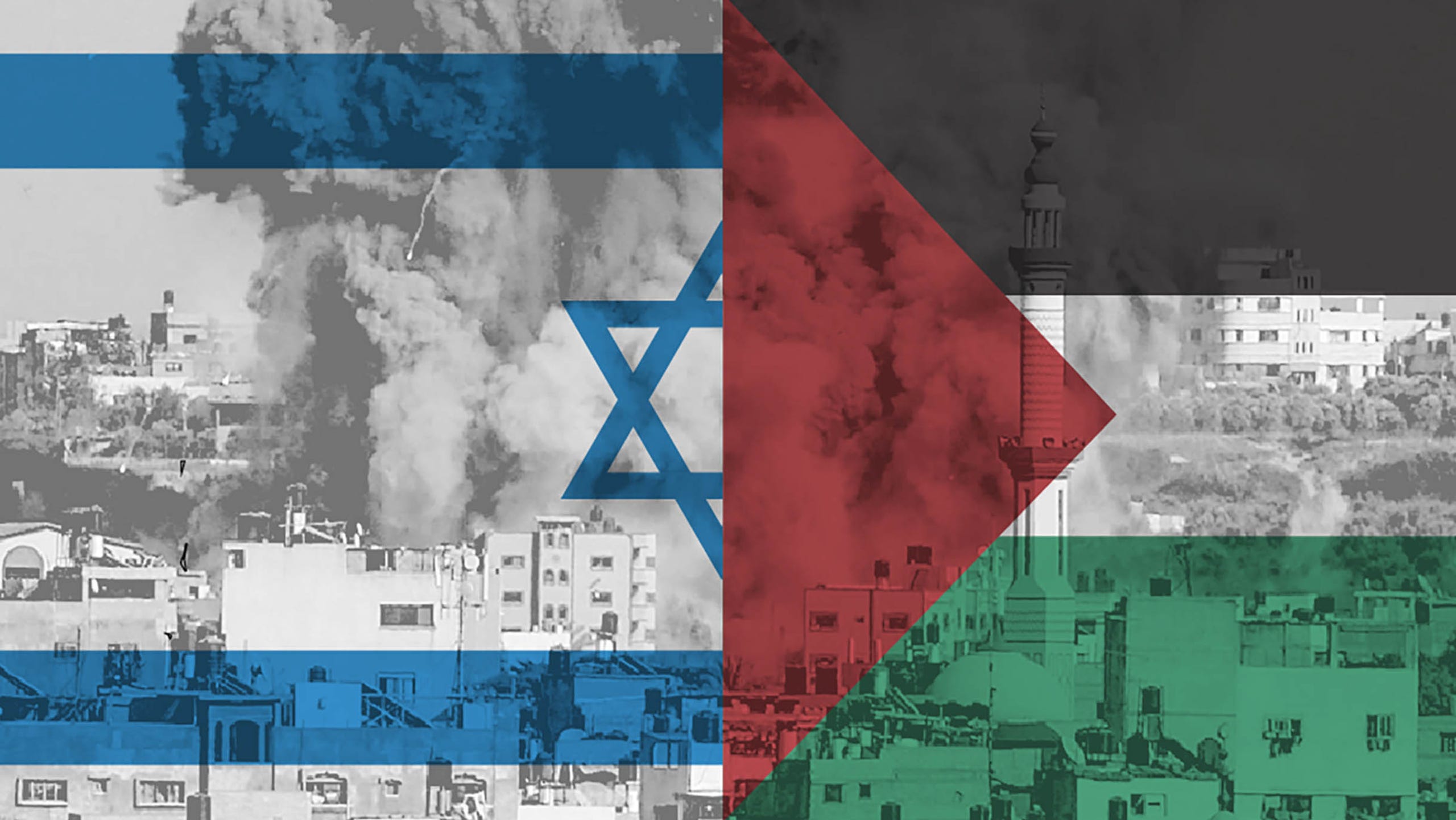
Is this the final solution to the holocaust?
The dispute is rooted in pre-biblical times. Though its borders have shifted over the years, Palestinian territories used to be what is now Israel, Gaza and the West Bank.
The Israeli-Palestinian conflict so far has claimed tens of thousands of lives and displaced many millions of people and has its roots in a colonial act carried out more than a century ago.
More than 100 years ago, on November 2, 1917, Britain’s then-foreign secretary, Arthur Balfour,
He committed the British government to “the establishment in Palestine of a national home for the Jewish people” and to facilitating “the achievement of this object”.
In essence, a European power promised the Zionist movement a country where Palestinian Arab natives made up more than 90 percent of the population.
Both Israeli Jews’ and Palestinian Arabs’ history, culture and identity are linked to the Palestinian territories. Jewish migration from eastern and central Europe surged from 1922 to 1947 as Jews fled persecution and the destruction of their communities, most notably during World War II.
As the number of Jewish immigrants increased, many Palestinians were displaced. They began pushing back and violence resulted.
Israel was declared a state in 1948, though the land is still referred to as Palestine by those who do not recognise Israel’s right to exist. Palestinians also use the name Palestine as an umbrella term for the West Bank, Gaza and East Jerusalem.
Hamas is an acronym for Harakat al-Muqawama al-Islamiya, or Islamic resistance movement, now designated a terrorist group by Israel, the United States, the European Union and the UK, as well as other powers.
Hamas is a Palestinian militant group which rules the Gaza Strip. It is sworn to Israel’s destruction and wants to replace it with an Islamic state.
Hamas has fought several wars with Israel since it took power in Gaza in 2007.
About 80% of the population of Gaza now depends on international aid, according to the UN, and about one million people rely on daily food aid.
Hamas is backed by Iran, which funds it and provides weapons and training.
As one of Israel’s most implacable foes, Iran clearly has a vested interest in seeing the Jewish state suffer.
If it emerged that Iran was behind the attacks, it could widen the conflict into a regional confrontation.
Just five days into the war, what comes next is impossible to predict, but given what’s known about previous conflicts and the capabilities of both sides, the coming weeks are likely to be bloody.
Extreme religious nationalists who are part of Israel’s right-wing coalition government have repeatedly called for the annexation of Palestinian territory so it is hard to see how there can be a positive outcome for Hamas or Gaza from the events this weekend. The Hamas operation is a reality-changing event in the Middle East that may oblige Iran to move from the phase of ongoing support and co-ordination to a more direct involvement.
The conflict pits Israeli demands for security in what it has long regarded as a hostile region against Palestinian aspirations for a state of their own.
Israel’s founding father David Ben-Gurion proclaimed the modern State of Israel on May 14, 1948, establishing a safe-haven for Jews fleeing persecution and seeking a national home on land to which they cite deep ties over generations. In the war that followed, some 700,000 Palestinians, half the Arab population of what was British-ruled Palestine, fled or were driven from their homes, ending up in Jordan, Lebanon and Syria as well as in Gaza, the West Bank and East Jerusalem.
The simultaneous use of rockets, drones, vehicles and powered hang-gliders suggested that the operation’s planners had studied other recent examples of hybrid warfare, perhaps including Ukraine.
Iran and Hamas staunchly oppose the growing prospect of a historic peace deal between Israel and Saudi Arabia – something which might be thwarted if Israel’s military response to the attacks provokes widespread anger in the Arab world. The violence will scupper any deal between Israel and Saudi Arabia.
Up to now the war is limited to battles between Israeli and Hamas forces but as the war continues it could compel Arab nations to choose a side.
A worst-case scenario is that it could draw in the powerful Lebanese militant group, Hezbollah.
While this radical upsurge of violence is fresh, it is just the latest instalment that stems from a deeply unsettled past. Up to now Israel’s asymmetric response is supposed to serve a deterrent purpose, without the country declared war.
What unfolds in the coming days and weeks has its seed in history.
All human comments appreciated. All like clicks and abuse chucked in the bin.
Contact: bobdillon33@gmail.com
 bobdillon33blog