
( Four minute read)
The 2023 UN Climate Change Conference will convene from 30 November to 12 December 2023 in Dubai, United Arab Emirates (UAE).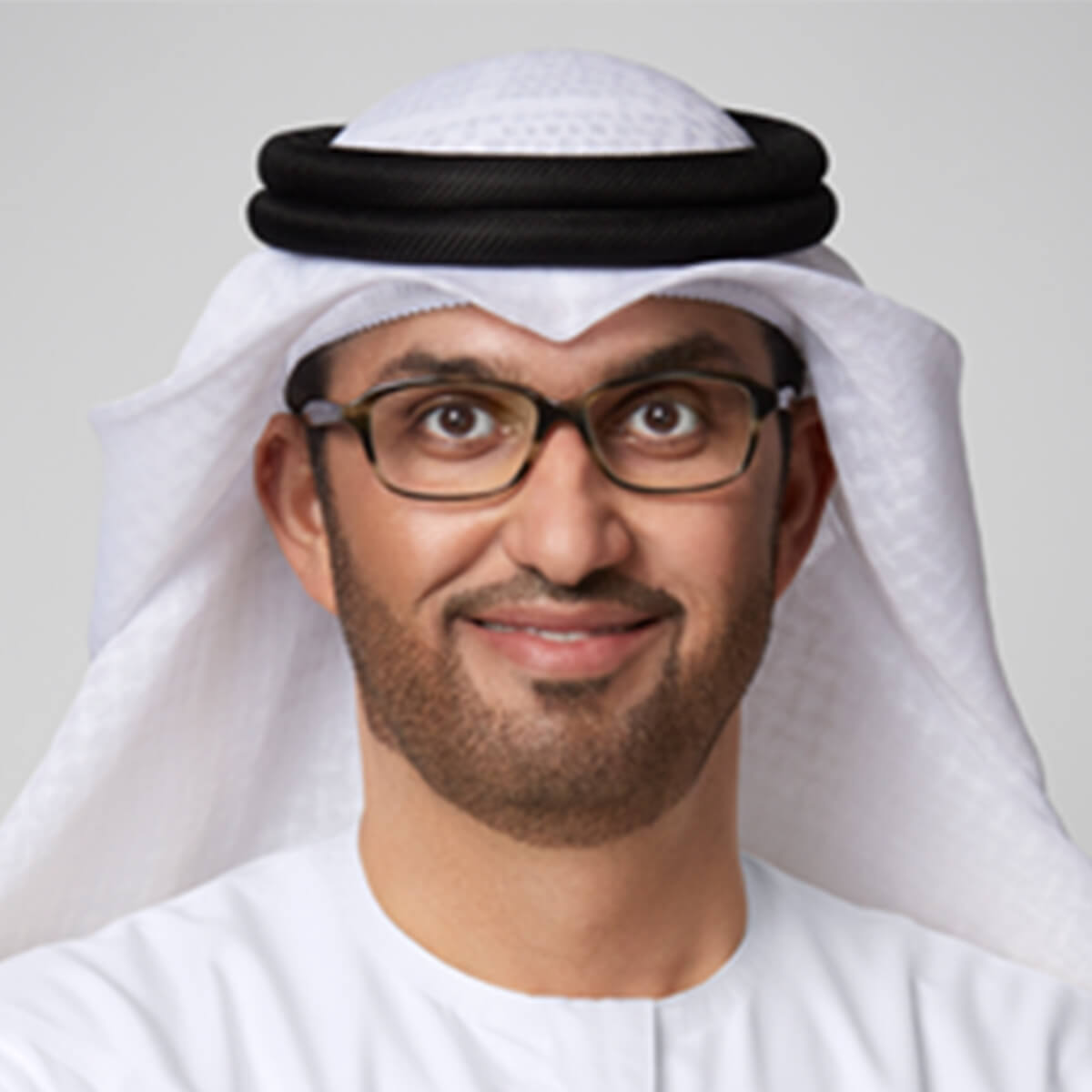
This the 28th meeting with the UNFCCC Secretariat announced that Sultan Ahmed Al Jaber, Minister of Industry and Advanced Technology and UAE Special Envoy for Climate Change, has been appointed to serve as COP 28 President-Designate.
Al Jaber has been Group CEO and Managing Director of ADNOC since 2016. Founded in 1971, it is one of the world’s largest energy producers, with a current production capacity of four million barrels of oil and 11 billion cubic feet of natural gas per day. The group comprises nearly 19 businesses with operations in exploration, production, storage, refining, trading, and petrochemical products development. Al Jaber is also a member of the U.A.E.’s Federal Cabinet, the country’s Minister of Industry and Advanced Technology, and the U.A.E.’s special envoy for climate.
Dr. Al Jaber has previously served on the United Nations Secretary General’s High Level Group on Sustainable Energy for All. He has received various awards including the United Nations flagship award “Champion of the Earth” in 2012, given to outstanding visionaries and leaders in the fields of policy, science and entrepreneurship.
Of course if you Google him (from the info known) you will see that he is no ordinary individual but mandated by his position of Minister of Industry and Advanced Technology to increase industrial competitiveness and help drive economic growth by catalysing the diversification of the UAE’s economy.
So his appointment to serve as COP 28 President-Designate, a vital role in the annual climate talks, acting as an “honest broker” among bickering governments, and with a large degree of latitude in determining the direction of the talks and what issues are given priority and negotiating time is either a breath-taking conflict of interest or is it just what is required, a deep understanding of energy systems.
Remember that the UAE is one of the 10 largest oil producers in the world.
Their state oil company pumped 2.7 million barrels of oil per day in 2021, its Petroleum Exporting Countries (Opec) aims to expand to nearly double output to five million barrels per day by 2027 – a target date brought forward from 2030 two months ago by Jaber.
Is it the equivalent of appointing the CEO of a cigarette company to oversee a conference on cancer cures? He will surely tout the UAE investments in renewable energy but the reality is that the climate talks will be run by the CEO of a company betting on climate failure.
So the Conference will open the floodgates for greenwashing and oil and gas deals to keep exploiting fossil fuels.
These are the worst possible credentials for an upcoming Cop president.
Dear Delegates.
In an era of international tensions, governments need to separate climate from geopolitics..
It is academic to the Climate, whether its a Sultan or a defrocked priest whom presides over the conference. Climate change is indifferent in its causes and its effects.
You dont have be told, that climate has no borders it is a global problem.
You dont have to be told, no matter what is agreed it is going to require trillion annually.
You dont have to be told, that the key actions required to bend the emissions curve sharply downwards by 2030 are well understood,
You dont have to be told, to achieve a global pathway to keep the 1.5°C temperature goal alive requires the world to come together quickly with greater ambition, improved implementation, and stronger international cooperation are critical in helping countries achieve global climate goals..
What matters is emissions, regardless of which country produces them, calling for leadership on collaborative efforts to tackle them.
So I would like to underscore that net zero by 2050 globally doesn’t mean net zero by 2050
for every country.
To recognizes the importance of supporting an equitable transition that takes different national circumstances into account, with advanced economies reaching net zero sooner will require trillions, not invested in to greenwashing carbon credits, or profit seeking algorithms, etc.
To deliver a successful COP 28 that drives global transformation towards a low-emission and climate-resilient world, fosters ambitious climate action and facilitates implementation, including the related support let me suggest the following: (Against the back ground of July 2023 which was the hottest month on record – serving up severe wildfires, droughts, floods and storms all further underlined that the climate crisis is with us and that the costs are mounting.)
Today much of the momentum is in small, modular clean energy technologies like solar PV
and batteries, these alone are not sufficient to deliver net zero emissions.
Its all comes down to common sense.
Climate change actions will follow where the money goes.
Clean energy investment is paid back over time through lower fuel bills.
The publication of the first Net Zero Roadmap by the International Energy Agency (IEA) in
May 2021 was a landmark moment for the energy and climate world, setting out what would
need to happen in the global energy sector in the years and decades ahead to limit global
warming to 1.5 °C..
It quickly became our most viewed and downloaded publication ever, a sign of the
strong demand for clear and unbiased analysis, translating the temperature goals of the Paris
Agreement into practical milestones for the global energy sector.
Above all, this needs to be a unified effort in which governments put tensions aside and find ways to work together on what is the defining challenge of our time. All of us, and in particular future generations, will
remember with gratitude those who act upon the urgency of now.
This year, more than ever, unity is a prerequisite for success.
If we do the right things now and take them to scale, we will create vast economic potential for everyone.
All countries will need to act, all elements of the energy system will need to be addressed, and we must have an honest conversation about what it will take to deliver a responsible and just transition that empowers climate-positive development everywhere, in particular across the Global South.
Finance is a critical enabler of climate action. But to unleash its power, climate finance must be affordable, available, and accessible to developing countries.
We need to enable the formation and deployment of new private capital to help countries take a path of private sector and technology-led growth that is consistent with the Paris Agreement. To accelerate progress, we need to reform and harmonize regulatory systems, including agreeing on definitions for transition finance and disclosure of climate-related data, and unlock voluntary carbon markets.
So why not all agreed on repayable grants, that could be made available, funded by a Perpetual World Commission of 0.05% on all activities that are not sustainable. ( See previous posts)
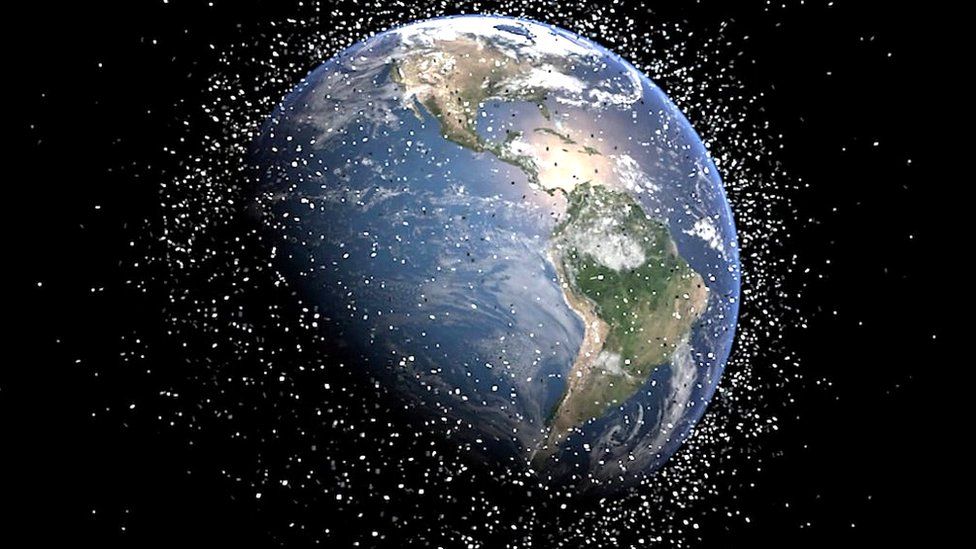
There are more than 25,000 pieces of space debris measuring over 10cm long orbiting the earth, if we continue destroying the Earth there will be billions of human’s roaming what left.
Yours Sincerely,
Robert de May Dillon.
Contact: bobdillon33@gmail.com
 bobdillon33blog