
( Two minute read)
One of the greatest problem in tackling climate change is every thing has been turned into a product to be sold. including climate change.
“Capitalism is incompatible with the fight against climate change” and greenwashing is a prime example of this.
- Greenwashing delays or stops the action we need to move to better systems for people and the planet. A false eco-branded product or carbon offsetting may make us feel we’re doing well.
- Carbon Credits. A way to try to make up for the pollution you cause, instead of trying to reduce it. Usually it’s done by paying others to reduce carbon emissions or take carbon out of the atmosphere. It’s greenwashing because it still means lots of carbon goes into the atmosphere.
When businesses use terms such as ” environmentally friendly ” and “green” they are often meaningless.
Greenwashing is the process of conveying a false impression or misleading information about how a company’s products are environmentally sound.
Greenwashing involves making an unsubstantiated claim to deceive consumers into believing that a company’s products are environmentally friendly or have a greater positive environmental impact than they actually do.
Greenwashing is a PR tactic used to make a company or product appear environmentally friendly, without meaningfully reducing its environmental impact.
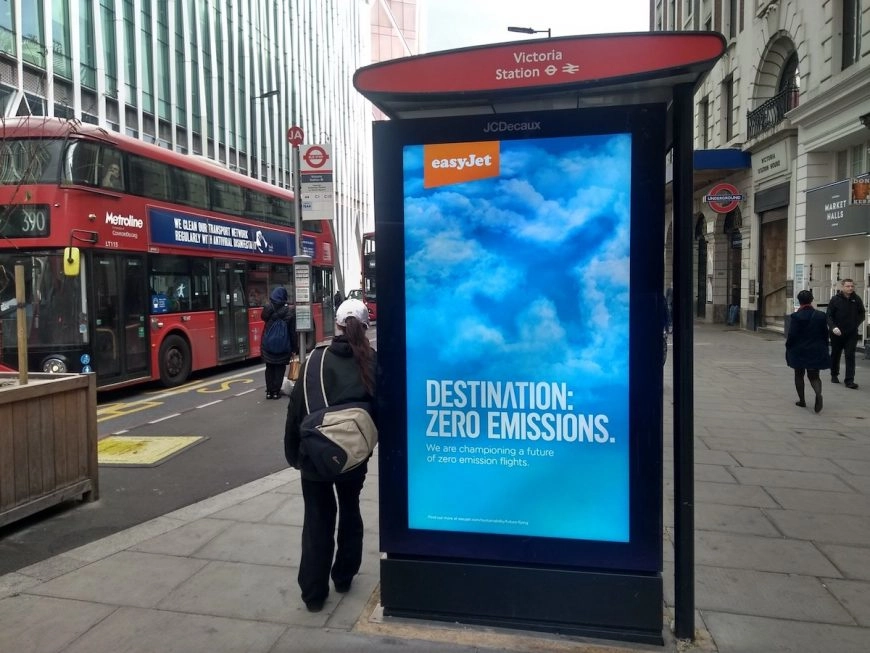
Performed through the use of environmental imagery, misleading labels, and hiding trade-offs, greenwashing is a play on the term “whitewashing,” which means using false information to intentionally hide wrongdoing, error, or an unpleasant situation in an attempt to make it seem less bad than it is.
Greenwashing is an attempt to capitalize on the growing demand for environmentally sound products, whether that means they are more natural, healthier, free of chemicals, recyclable, or less wasteful of natural resources.
More recently, some of the world’s biggest carbon emitters, such as conventional energy companies, have attempted to rebrand themselves as champions of the environment.
Products are greenwashed through a process of renaming, rebranding, or repackaging them. Greenwashed products might convey the idea that they’re more natural, wholesome, or free of chemicals than competing brands.
Of course, not all companies are involved in greenwashing. Some products are genuinely green.
How can it be curtailed.?
- Packaging and advertising should explain the product’s green claims in plain language and readable type in close proximity to the claim.
- An environmental marketing claim should specify whether it refers to the product, the packaging, or just a portion of the product or package.
- A product’s marketing claim should not overstate, directly or by implication, an environmental attribute or benefit.
- If a product claims a benefit compared with the competition, then the claim should be substantiated.
- This can include use of terminology such as “eco-friendly” or “sustainable,” which are vague and not verifiable. Imagery of nature or wildlife can also connote environmental friendliness, even when the product is not green. Companies may also cherry-pick data from research to highlight green practices while obscuring others that are harmful. Such information can even come from biased research that the company funds or carries out itself.
Whether you are filling up at the pump, booking a flight or simply browsing supermarket shelves, you are being targeted by marketing campaigns trying to persuade you that everything is fine.
This is, in a nutshell, what greenwashing is and why it’s now everywhere.
All human comments appreciated. All like clicks and abuse chucked in the bin.
Contact: bobdillon33@gmail.com
 bobdillon33blog